 Pin it
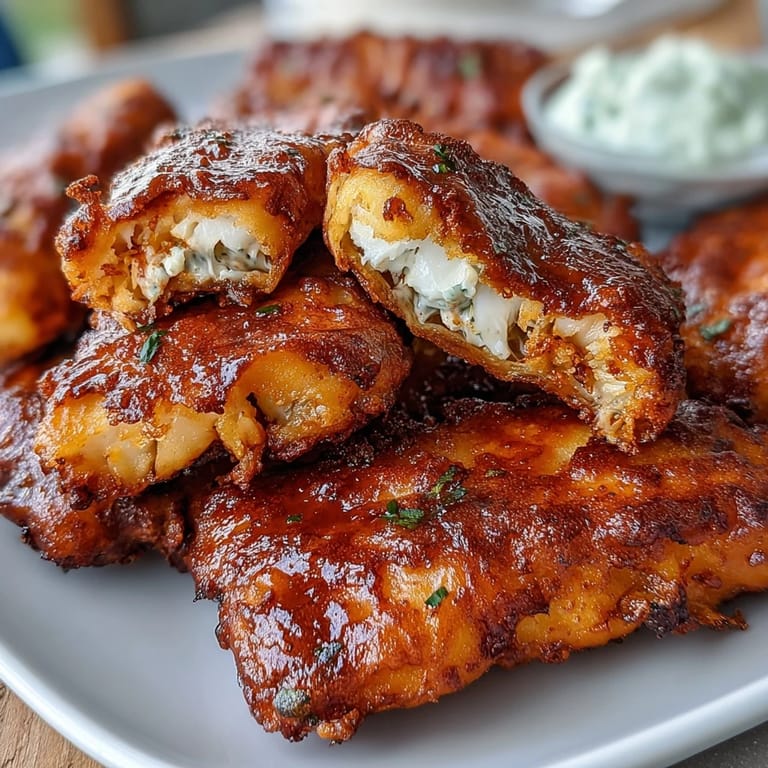
 My uncle's kitchen on a humid Saturday afternoon smelled like hot oil and redemption. He'd just pulled a batch of golden catfish from the deep fryer, and the sound of that sizzle was unmistakable—that particular crackle that tells you something's been done right. I'd watched him coat those fillets with the same practiced ease he'd perfected over decades, and when he handed me one with a knowing smile and said, "Now you know," I understood this recipe was less about following instructions and more about joining a tradition that refuses to fade.
Years later, I made this for friends who'd never had proper soul food fried fish, and watching their faces when they tasted that first bite felt like I'd handed them a secret. One of them kept coming back to the sauce, asking questions, trying to crack the code. The beauty of this dish is that it disarms people—suddenly everyone's relaxed, everyone's happy, and the table feels smaller somehow.
Ingredients
- Catfish fillets (4, about 6 oz each): These fillets are forgiving and flaky, with enough delicate flavor to shine without drowning in seasoning.
- Buttermilk (1 cup): Don't skip this—the acidity tenderizes the fish and creates the perfect base for seasoning to cling.
- Hot sauce (1 teaspoon for marinade, 2 teaspoons for sauce): Adds a whisper of heat and complexity that lingers without overwhelming.
- Yellow cornmeal (1 cup): The texture hero; it fries up exponentially crispier than flour alone.
- All-purpose flour (1/2 cup): Adds structure and helps the cornmeal adhere evenly.
- Paprika (1 teaspoon): A pinch of color and warmth without the burn of fresh pepper.
- Garlic powder (1 teaspoon): Use the good stuff; cheap garlic powder tastes dusty.
- Onion powder (1 teaspoon): Works in the background to round out the spice profile.
- Cayenne pepper (1/2 teaspoon): Measure this carefully unless you're the type who likes their mouth on fire.
- Salt (1 teaspoon) and black pepper (1/2 teaspoon): Foundation flavors—don't undersalt the coating mix.
- Vegetable oil (enough for 1 inch in your pan): High smoke point is your friend here; peanut oil works beautifully too.
- Mayonnaise (1/2 cup): The creamy backbone of your sauce; use something you'd actually eat straight.
- Dijon mustard (2 tablespoons): Brings sophistication and cuts the richness of the mayo.
- Prepared horseradish (1 tablespoon): A sharp, almost nostril-clearing punch that wakes up your palate.
- Sweet pickle relish (2 teaspoons): The tiny sweet-sour notes that make people wonder what's in there.
- Fresh lemon juice (1 tablespoon): Brightens everything; never use the bottled stuff for this.
- Garlic clove (1 small, minced): Raw garlic in sauce means you taste it immediately and completely.
- Smoked paprika (2 teaspoons): Creates depth and reminds you of firewood and Southern summer nights.
- Fresh parsley (1 tablespoon, chopped): A touch of green herbaceousness that feels like you actually cared about presentation.
Tired of Takeout? 🥡
Get 10 meals you can make faster than delivery arrives. Seriously.
One email. No spam. Unsubscribe anytime.
Instructions
- Build your marinade and introduce the fish:
- Whisk buttermilk and hot sauce together in a shallow dish, then nestle your catfish fillets into the mixture. Let them sit for at least fifteen minutes—this isn't optional time. The buttermilk is working, breaking down the delicate proteins and opening the fish up to flavor.
- Mix your coating like you're creating armor:
- Combine cornmeal, flour, paprika, garlic powder, onion powder, cayenne, salt, and black pepper in another shallow dish. Use your fingers to break up any clumps in the cornmeal; you want an even, consistent texture that will coat like a second skin.
- Heat your oil to the right temperature:
- Pour about an inch of vegetable oil into your deep skillet or Dutch oven and bring it to 350°F. Use a thermometer—guessing is how you end up with pale, greasy fish or fillets that cook too fast outside while staying raw inside.
- Dredge with intention and confidence:
- Pull each fillet from the buttermilk, let the excess drip off, then press it into the cornmeal mixture. Take your time here; the coating should adhere on all sides, creating that crucial golden crust.
- Fry in a rhythm without crowding:
- Lower your fillets gently into the hot oil and let them cook three to four minutes per side until they turn a deep golden brown. Don't crowd the pan or the oil temperature drops and you're suddenly steaming instead of frying; work in batches if needed.
- Drain and rest on absorbent paper:
- Use tongs to transfer each golden fillet to a paper towel-lined plate immediately after frying. The paper towels drink up excess oil while the residual heat finishes the job.
- Whisk your remoulade sauce into being:
- In a mixing bowl, combine mayonnaise, Dijon mustard, horseradish, hot sauce, pickle relish, lemon juice, minced garlic, smoked paprika, and fresh parsley. Taste it, adjust salt and pepper until it tastes bold enough to stand up to the richness of the fried fish.
- Serve while the catfish still holds its warmth:
- Plate your golden fillets and spoon remoulade sauce alongside, never over—let people experience the textures separately, then together.
 Pin it
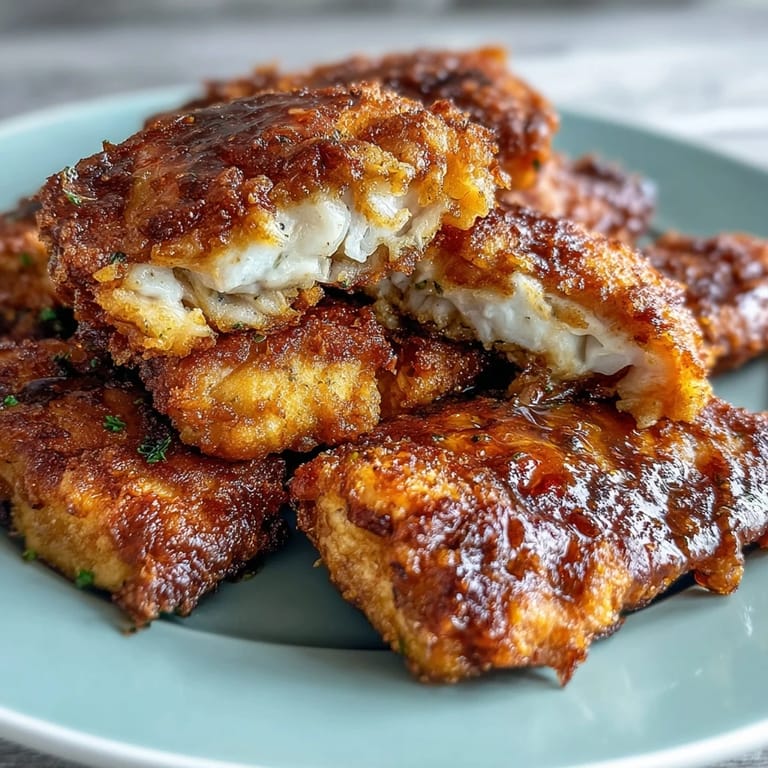
 There's a moment that happens when someone tastes truly good soul food fried fish for the first time—a pause, a closing of the eyes, sometimes a small nod. It's not complicated, but it's complete; it doesn't apologize and doesn't need to. That's when you know you've done something right.
The Soul of the Coating
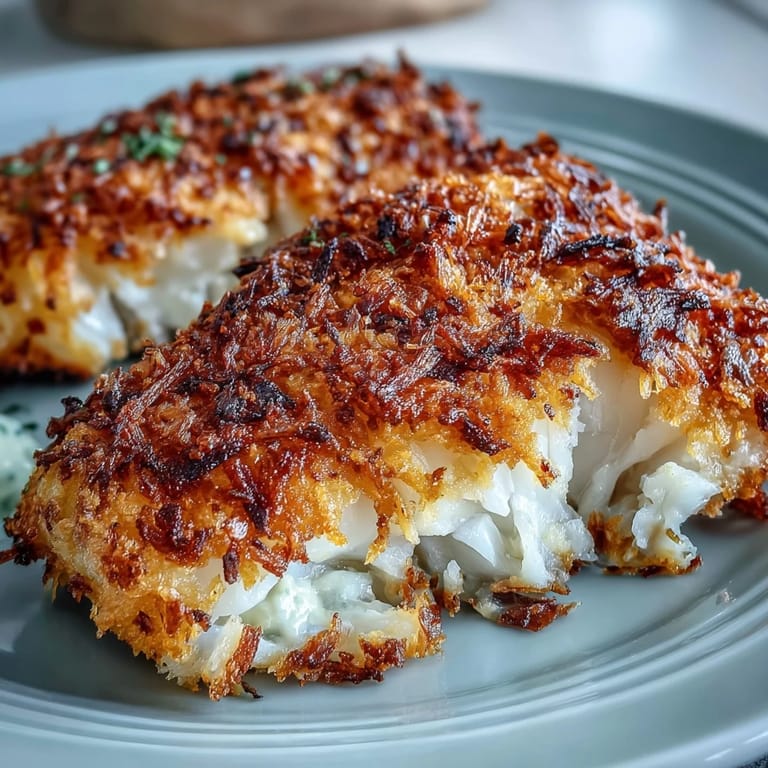
The secret to catfish that matters lives in the balance between cornmeal and flour. Too much flour and you get a thin, pale crust that doesn't sing; all cornmeal and the coating gets gritty. The one-to-two ratio creates a texture that's crispy outside but not tooth-achingly hard—it yields when you bite, which is the whole point. I learned this by accident when I ran out of flour mid-fry and had to finish with extra cornmeal, and the difference was immediate and disappointing enough to never forget.
Why Buttermilk Matters More Than You Think
Buttermilk does something magical to fish that regular milk never will. The acidity loosens the protein structure without cooking it, making the final product more tender and better able to absorb the spice flavors. It's also why the coating sticks so well—buttermilk is thicker and more viscous, creating a better adhesive than water ever could. My first attempt without it resulted in a patchy, uneven crust that fell off half the fillets. I've never skipped it since.
The Remoulade Difference
Remoulade might seem optional until you taste the fish without it—then you realize the sauce isn't a garnish, it's the other half of the equation. The horseradish cuts through the richness of the fried coating, the Dijon adds sophistication, and the pickle relish keeps things from getting too serious. Some people make it minutes before serving; others say it's better made an hour ahead so the flavors marry and deepen. Honestly, both are right.
- Taste the sauce before serving and be brave with the seasonings—it should taste slightly more intense than you think it needs to be.
- If your remoulade tastes flat, a squeeze of fresh lemon juice or a tiny pinch of cayenne usually wakes it up immediately.
- Make extra sauce if you're feeding people; they'll use more than you'd expect, and leftovers are excellent on sandwiches the next day.
 Pin it
 This catfish has a way of bringing people together, of making a regular dinner feel like something worth remembering. Make it once and you'll understand why it endures.
Recipe FAQs
- → How do I get the catfish extra crispy?
Double-dip the fillets by dipping them back into the buttermilk mixture then the cornmeal coating before frying for added crunch.
- → What oil is best for frying catfish?
Use vegetable oil or another neutral oil with a high smoke point to ensure even frying and a crispy crust.
- → Can I substitute catfish with other fish?
Yes, tilapia or cod can be used as alternatives and will absorb flavors well when prepared similarly.
- → How should the remoulade sauce be stored?
Keep the remoulade refrigerated in an airtight container and consume within 3-4 days for best freshness.
- → What sides complement this dish?
Classic Southern sides like coleslaw, hush puppies, or creamy grits pair excellently with the fried fillets and tangy sauce.