 Pin it
 My neighbor once knocked on my door at dusk carrying a mesh bag of garlic bulbs from her garden, saying she'd grown far too much and didn't know what to do with them all. I spent that evening roasting a few cloves to taste their transformation, and by the next morning, I'd already planned this soup. There's something almost magical about how garlic shifts from sharp and assertive to buttery and gentle when treated with care, and I wanted to build an entire bowl around that quiet magic.
I made this soup on a rainy Thursday for my partner, who'd been under the weather, and watching them finish the entire bowl with a contented sigh made me understand why comfort food matters so much. It wasn't fancy or complicated, but it felt like the right thing at the right moment.
Ingredients
- 1 large onion, finely chopped: The base of everything—it'll become translucent and sweet, creating a foundation that lets the garlic shine without feeling lonely.
- 1 large leek, white and light green parts only, sliced: Leeks add a subtle sweetness and silkiness that onion alone can't achieve; they're the unsung heroes here.
- 10 large garlic cloves, peeled and sliced: This is your star, so don't rush it or let it burn—slicing instead of mincing gives you more control over how gently it cooks.
- 2 medium potatoes, peeled and diced: They'll thicken the soup naturally and add body without needing cream or flour.
- 4 cups vegetable broth: Use something you actually enjoy drinking on its own, because it's the backbone of every spoonful.
- 1 cup whole milk or plant-based milk: Added at the end for richness and a subtle sweetness that rounds out the herbs.
- 2 tablespoons fresh thyme leaves, chopped: Thyme brings an earthy note that prevents the soup from tasting too delicate or one-note.
- 2 tablespoons fresh parsley, chopped: Save some for garnish—fresh herbs on top taste completely different from herbs cooked into the soup.
- 1 tablespoon fresh chives, chopped: A whisper of onion flavor that echoes the aromatics you started with.
- 2 tablespoons olive oil: Good quality makes a real difference here since it's not cooked down aggressively.
- Salt and pepper, to taste: Season in layers as you cook, tasting as you go—it's the only way to build real flavor.
- Optional Parmesan cheese and croutons: For contrast and texture, though the soup is absolutely lovely without them.
Tired of Takeout? 🥡
Get 10 meals you can make faster than delivery arrives. Seriously.
One email. No spam. Unsubscribe anytime.
Instructions
- Start your aromatics:
- Heat the olive oil in a large saucepan over medium heat and add the chopped onion and leek, stirring occasionally for about 4 to 5 minutes until they soften and turn translucent at the edges. You're looking for them to release their sweetness, not to brown—keep the heat moderate and patient.
- Introduce the garlic gently:
- Add your sliced garlic cloves and stir almost constantly for 2 to 3 minutes, watching as the kitchen fills with that unmistakable aroma. This is where you earn trust with this recipe—burned garlic tastes bitter and regrettable, so stay close and keep the heat honest.
- Build the foundation:
- Stir in the diced potatoes, fresh thyme, and a generous pinch of salt and pepper, cooking everything together for about 2 minutes so the flavors begin getting acquainted. The salt will help draw out moisture from the vegetables and deepen their flavor.
- Simmer until tender:
- Pour in your vegetable broth and bring it to a boil, then lower the heat and let it simmer uncovered for about 20 minutes until the potatoes are completely soft and break easily with a spoon. Taste a potato—it should feel almost creamy when you bite it, not grainy or chalky.
- Finish with herbs and milk:
- Remove from heat and stir in the milk along with most of the fresh parsley and chives, reserving a small handful for the garnish. The milk will make everything a bit more luxurious while the fresh herbs add a brightness that cooked herbs alone can't provide.
- Choose your texture:
- Using an immersion blender, purée the soup until completely smooth and silky, or leave it slightly chunky if that's what you prefer—both are lovely. Taste and adjust the seasoning now, adding more salt, pepper, or herbs if something feels off.
- Serve with care:
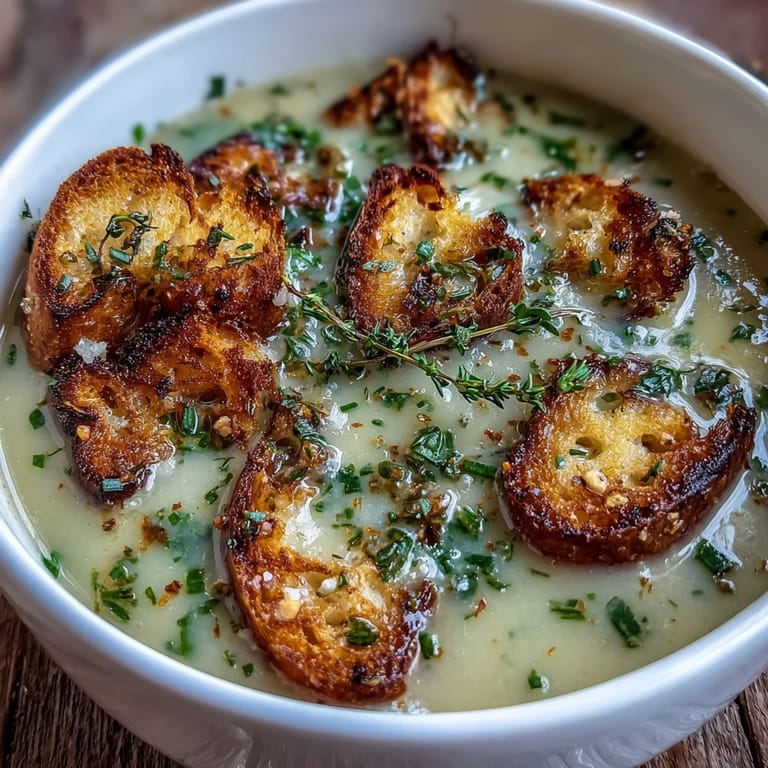
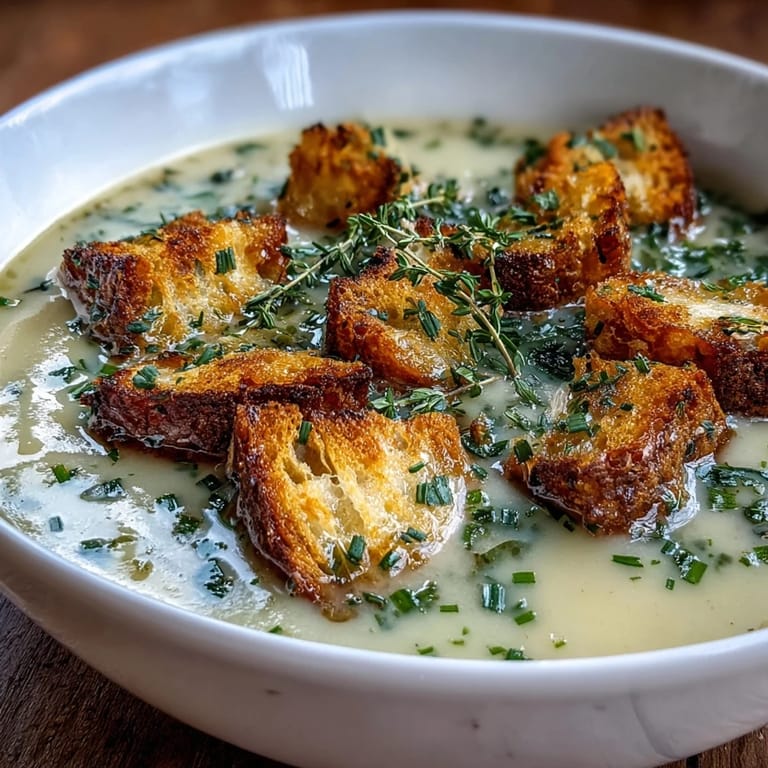
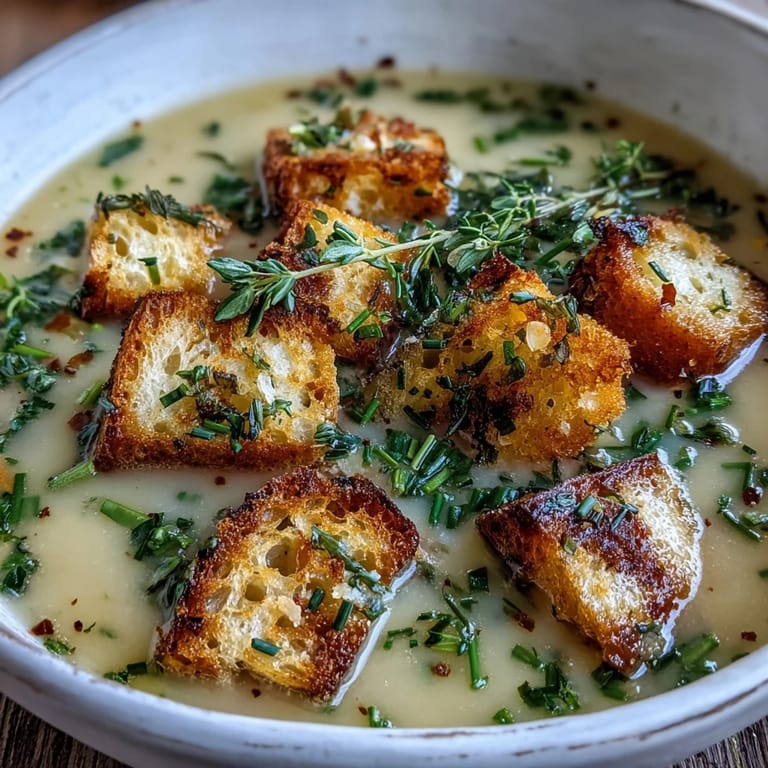
- Ladle the soup into bowls and top with the reserved herbs, a shower of Parmesan if you'd like, or some toasted croutons for crunch. A drizzle of good olive oil over the top is never a mistake.
 Pin it
 There was a moment, sitting at my kitchen table with a warm bowl in my hands, when I realized that sometimes the best meals are the simplest ones—no elaborate techniques or rare ingredients, just good vegetables treated with respect and time. That's what this soup taught me.
The Magic of Garlic
Garlic changes completely depending on how you treat it, which I learned through trial and error. Raw garlic is sharp and almost aggressive, but sliced garlic sautéed gently over medium heat becomes something else entirely—buttery, subtle, almost sweet. The longer you cook it, the mellower it becomes, and at about the 2 to 3 minute mark, it reaches this perfect place where it's softened and aromatic but still has personality. I once burned a batch by getting distracted, and the entire pot turned bitter and unforgiving; now I set a timer and stay nearby, stirring often.
Why Fresh Herbs Matter
There's a real difference between herbs cooked into a soup from the beginning and herbs scattered on top just before you eat it. The cooked herbs become part of the background flavor, warming and integrated, while fresh herbs on top taste bright and alive and remind you that something green and growing went into your bowl. I learned this by accident when I forgot to add parsley at the end and then remembered and sprinkled it over my already-finished bowl—the difference was so noticeable that now I always save some herbs for garnish.
Adapting This Soup to Your Needs
The beauty of a soup like this is how forgiving it is—you can make it richer by using cream instead of some of the milk, you can keep it lighter by using all broth, and you can thicken or thin it with an extra cup of broth or milk depending on your mood. I've made versions with roasted garlic instead of sautéed, I've added a pinch of nutmeg, I've stirred in sharp cheddar for nights when I wanted something more indulgent. Trust yourself to play with it—this is a canvas, not a strict formula.
- For a vegan version, swap the milk for unsweetened plant-based milk and skip the Parmesan or use a dairy-free cheese alternative.
- For extra richness, replace half of the milk with heavy cream or add a dollop of sour cream to each bowl.
- Serve with crusty bread or, if you need to avoid gluten, use gluten-free rolls or toast for dipping.
 Pin it
 This soup has become my answer to so many moments—when someone's feeling under the weather, when the weather turns cold, when I need something that feels like comfort and care in a bowl. It reminds me that sometimes the most nourishing things are also the simplest.
Recipe FAQs
- → Can I reduce the amount of garlic in this soup?
While this soup celebrates garlic as a main ingredient, you can reduce the cloves to 6-8 if you prefer a milder flavor. The long simmering process mellows the garlic significantly, making it sweet rather than pungent.
- → How can I make this soup completely vegan?
Simply substitute the whole milk with unsweetened plant-based milk like almond, oat, or soy. Omit the Parmesan garnish or use a vegan cheese alternative. All other ingredients are naturally plant-based.
- → Can I prepare this soup in advance?
Yes, this soup stores beautifully. Refrigerate in an airtight container for up to 4 days or freeze for up to 3 months. Reheat gently on the stovetop, adding a splash of broth or milk if needed to adjust consistency.
- → What can I substitute for potatoes in this soup?
Cauliflower florets work wonderfully as a low-carb alternative, providing a similar creamy texture when blended. You could also use parsnips or celery root for a slightly different flavor profile while maintaining the soup's body.
- → Should I leave the soup chunky or blend it completely smooth?
This is entirely a matter of preference. Blending until completely smooth creates an elegant, velvety texture perfect for a refined starter. Leaving it slightly chunky provides more rustic appeal and textural interest.
- → What wine pairs best with this soup?
A crisp Sauvignon Blanc complements the herbaceous notes beautifully. Alternatively, try a light Pinot Grigio or an unoaked Chardonnay. The bright acidity in these wines balances the soup's creamy richness.