 Pin it
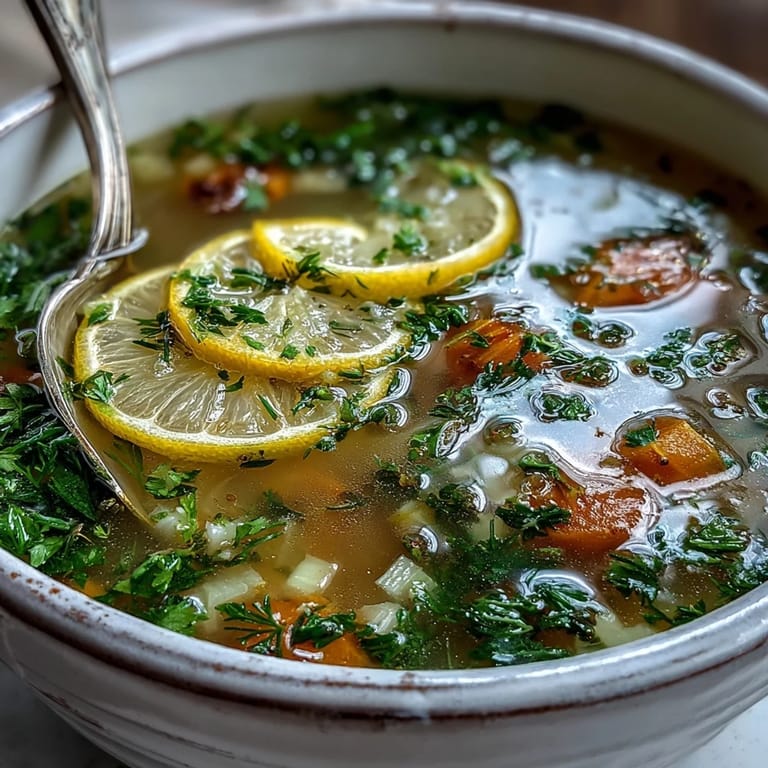
 Last summer, I stood in my kitchen watching the rain pour down outside, feeling oddly restless despite the warmth. My neighbor had just dropped off a basket of lemons from her tree, and I had a bunch of fresh herbs that were about to bolt. Instead of making the usual lemon bars, I decided to throw everything into a pot with some broth, and within forty minutes, I had this soup that tasted like sunshine and smelled like a Mediterranean garden. That first spoonful changed my whole afternoon.
I made this soup for my mother when she was recovering from surgery, and watching her face light up as she tasted it told me everything. She'd been living on bland hospital food and takeout soups that tasted like salt and nothing else. This one had character, had life in it. She asked for the recipe before she even finished the bowl, and now it's become her go-to when she wants to feel nourished rather than just fed.
Ingredients
- Olive oil: Use good quality extra virgin if you have it, because you'll taste every nuance in such a simple soup.
- Onion: One medium onion finely chopped becomes the aromatic foundation that makes everything else sing.
- Garlic cloves: Mince two cloves so they melt into the broth rather than turning into tough little bits.
- Carrots and celery: Dice these into roughly the same size so they cook evenly and release their sweetness at the same pace.
- Vegetable broth: Low sodium is crucial because you'll be seasoning as you go and don't want to end up with something too salty.
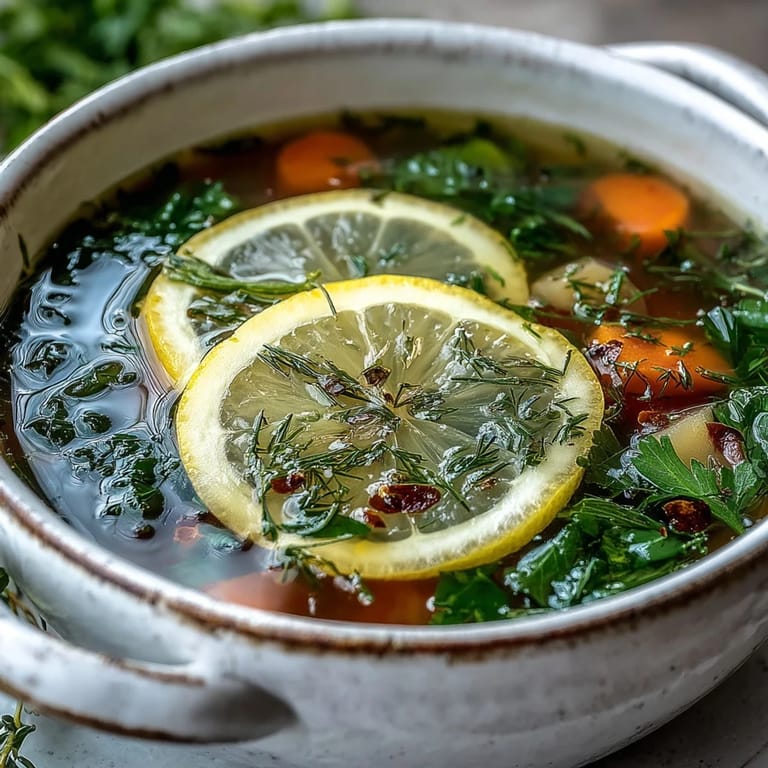
- Lemon zest and juice: The zest gives you aromatic oil and brightness that the juice alone can't deliver, so don't skip zesting.
- Fresh parsley, dill, and chives: These three herbs together create a complexity that one herb alone would never achieve.
- Fresh thyme: Just one tablespoon of leaves adds an earthiness that grounds all that citrus brightness.
- Cooked rice or orzo: This is optional, but it transforms the soup from a refined appetizer into something more substantial and satisfying.
- Salt and pepper: Taste as you go, especially after adding the lemon juice, because you might need less salt than you'd expect.
Tired of Takeout? 🥡
Get 10 meals you can make faster than delivery arrives. Seriously.
One email. No spam. Unsubscribe anytime.
Instructions
- Warm your oil and soften the onion:
- Pour the olive oil into a large pot and let it heat over medium heat until it's shimmering and fragrant. Add your finely chopped onion and stir it occasionally until it turns translucent and sweet, about three minutes.
- Build your aromatic base:
- Add the minced garlic along with your diced carrots and celery, stirring everything together so the garlic releases its perfume. Let this cook for about five minutes, stirring now and then, until the vegetables begin to soften at the edges.
- Pour in the broth and bring to a simmer:
- Add all five cups of vegetable broth, increase the heat to bring it to a gentle boil, then lower the heat and let it simmer quietly for ten minutes. This gives the vegetables time to release their flavors into the liquid.
- Awaken the soup with citrus and herbs:
- Stir in the lemon zest, lemon juice, parsley, dill, chives, and thyme, letting everything blend together. Simmer for another five minutes so the herbs infuse but don't lose their brightness to overcooking.
- Add body if you like it heartier:
- If you're using cooked rice or orzo, stir it in now and let it warm through for two to three minutes. This step is optional, but it transforms the soup into something more filling.
- Taste and season carefully:
- Add salt and freshly ground pepper to your liking, tasting as you go. Remember that lemon juice is already salty in its own way, so you might need less than you'd think.
 Pin it
 There was an evening when my daughter brought a friend home from school who mentioned being anxious about an upcoming test. I served them both bowls of this soup almost without thinking, and by the end of the meal, they were laughing and the friend seemed lighter somehow. I think there's something about warm, herb-bright food that lets people relax into conversation. Food does that sometimes, when you're not really expecting it to.
The Magic of Lemon Zest
Most people reach for lemon juice and think that's enough, but the zest is where the real magic lives. When you zest a lemon, you're capturing those tiny oil pockets that are pure aromatic intensity, and they do something to a simple soup that juice alone never could. The first time I made this without zesting, I thought I'd failed the recipe. The second time, when I remembered to zest first, I realized I'd been cooking two completely different soups.
Variations That Keep It Interesting
Once you understand the basic structure of this soup, you can play with it. I've made it with basil instead of dill on warm summer nights, with tarragon when I wanted something more sophisticated, and even with a splash of white wine when I was feeling fancy. The lemon and broth are your anchors, but everything else is yours to improvise. I even added some shredded cooked chicken one winter when I wanted something more substantial, and it became a completely different kind of comfort.
Serving Suggestions and Pairings
This soup tastes best served hot in bowls that have been warmed, with a drizzle of good olive oil and a few extra herb leaves scattered on top. A slice of crusty bread for dipping, or a simple green salad alongside, rounds out the meal perfectly. I've also served it slightly cooled on very hot days, almost like a chilled soup, and it's refreshing in an entirely different way.
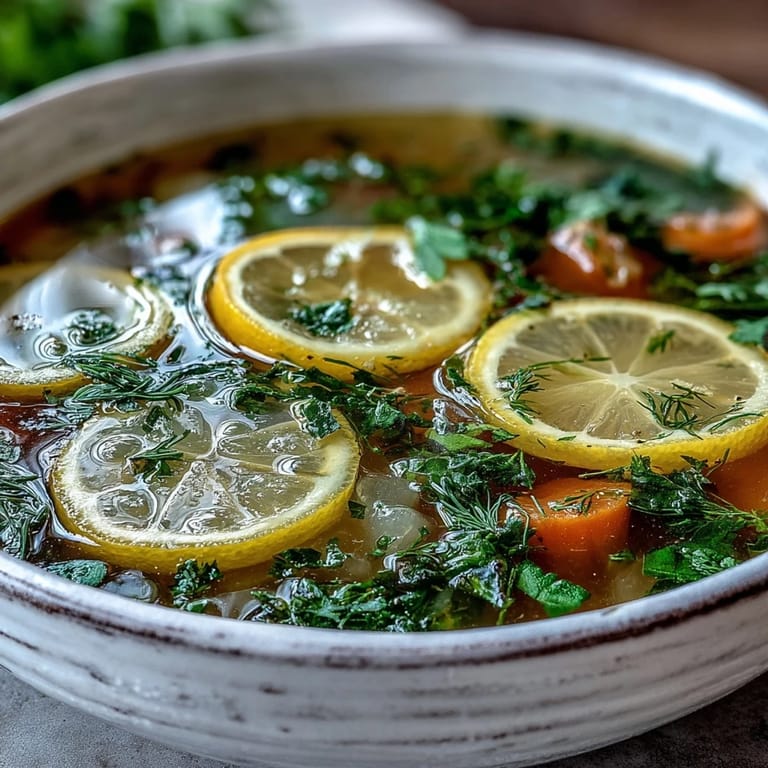
- Garnish with fresh lemon slices and extra torn herbs right before serving for maximum visual appeal and freshness.
- If you're making this ahead, store the soup and herbs separately, then combine just before serving so the herbs stay bright.
- Leftover soup keeps well for three days in the refrigerator, though you might want to add fresh herbs again when you reheat it.
 Pin it
 This soup has become my answer to almost everything, honestly. When I need something light, when I want to impress someone, when I'm cooking for myself on a Tuesday, or when someone needs to be reminded that food can be healing.
Recipe FAQs
- → Can I make this soup ahead of time?
Yes, you can prepare this soup up to 2 days in advance. Store it in an airtight container in the refrigerator. The lemon flavor may intensify over time, so you might want to adjust seasoning before serving. Reheat gently on the stovetop.
- → What herbs can I substitute if I don't have dill?
Fresh basil, tarragon, or cilantro work beautifully as substitutes. You can also use a combination of parsley and mint for a different Mediterranean twist. Adjust quantities to taste, as some herbs are more potent than others.
- → How can I make this soup more filling?
Add cooked rice, orzo, or small pasta shapes for extra substance. You can also stir in white beans, chickpeas, or shredded rotisserie chicken. For a creamier version, add a splash of coconut milk or Greek yogurt just before serving.
- → Can I freeze lemon herb soup?
Yes, but freeze it before adding the rice or orzo, as they can become mushy when thawed. Store in freezer-safe containers for up to 3 months. Thaw overnight in the refrigerator and add fresh lemon juice and herbs when reheating to brighten the flavors.
- → What can I serve with this soup?
Crusty artisan bread, garlic toast, or warm pita are excellent accompaniments. For a complete meal, pair it with a Greek salad, roasted vegetables, or a simple arugula salad with lemon vinaigrette.
- → How do I prevent the soup from tasting too sour?
Start with the juice of 1.5 lemons and taste before adding more. The vegetables and broth should balance the acidity. If it becomes too tart, add a pinch of sugar or honey, or increase the amount of rice or orzo to mellow the flavor.