 Pin it
 My neighbor showed up one afternoon with a jar of homemade sauerkraut and a knowing smile, insisting I do something with it besides eat it straight from the jar like some kind of pickle addict. That evening, I raided my crisper drawer and threw together whatever looked promising—shredded cabbage, a carrot, some sad bell pepper that was about to turn—and suddenly had this bright, crunchy thing that tasted nothing like obligation and everything like the kind of side dish that makes people ask for the recipe.
I brought this to a potluck last summer thinking it would disappear in the usual vegetable-side-dish way, but people kept coming back to it between the main course and dessert, which honestly never happens. Someone asked if it was fermented intentionally or if I'd just forgotten it in my trunk, and I realized that's when I knew the recipe had legs—when people are confused about whether something is deliberately good or accidentally magical.
Ingredients
- Sauerkraut, drained and lightly squeezed: Buy the real stuff from the refrigerated section, not the canned variety, because the living cultures are what make this sing and do their thing for your gut health.
- Green cabbage, finely shredded: This adds fresh crunch that balances the fermented tang without overpowering it—I learned the hard way that chopping it fine matters for texture.
- Carrot, grated: The natural sweetness here is subtle but essential, bringing brightness to every forkful and that satisfying crunch.
- Red bell pepper, thinly sliced: This isn't just for looks; the peppers add a gentle sweetness and visual pop that makes people want to eat it.
- Green onions, thinly sliced: Use both the white and green parts for a mild onion flavor that doesn't dominate the fermented notes.
- Fresh parsley, chopped: A small handful goes a long way toward making this taste fresh and alive rather than just tangy.
- Extra-virgin olive oil: This is your base, so grab something you actually like tasting straight, not the bargain bottle that tastes like nothing.
- Apple cider vinegar: It harmonizes with the sauerkraut's existing sourness instead of fighting it, creating a rounded tang.
- Dijon mustard: Just enough to add subtle depth and a whisper of heat that makes you keep eating without realizing why.
- Maple syrup or honey: A touch of sweetness rounds everything out and prevents this from tasting aggressively sour.
- Black pepper and salt: These aren't optional—taste as you go because the fermented cabbage already has its own salt situation.
Tired of Takeout? 🥡
Get 10 meals you can make faster than delivery arrives. Seriously.
One email. No spam. Unsubscribe anytime.
Instructions
- Gather and prep your vegetables:
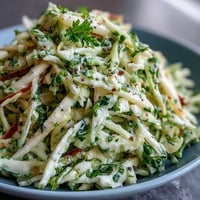
- Drain your sauerkraut in a colander and give it a gentle squeeze with your hands to remove excess liquid, but don't press out all its character. Shred the cabbage finely, grate the carrot, slice the bell pepper thin, and chop everything else—the knife work takes maybe five minutes if you're not thinking about it.
- Combine the vegetables:
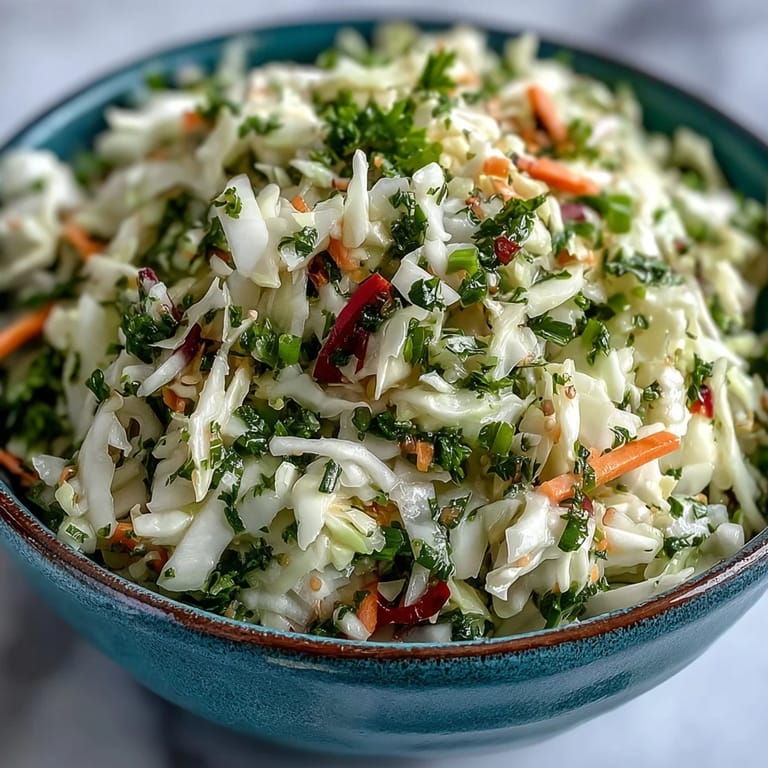
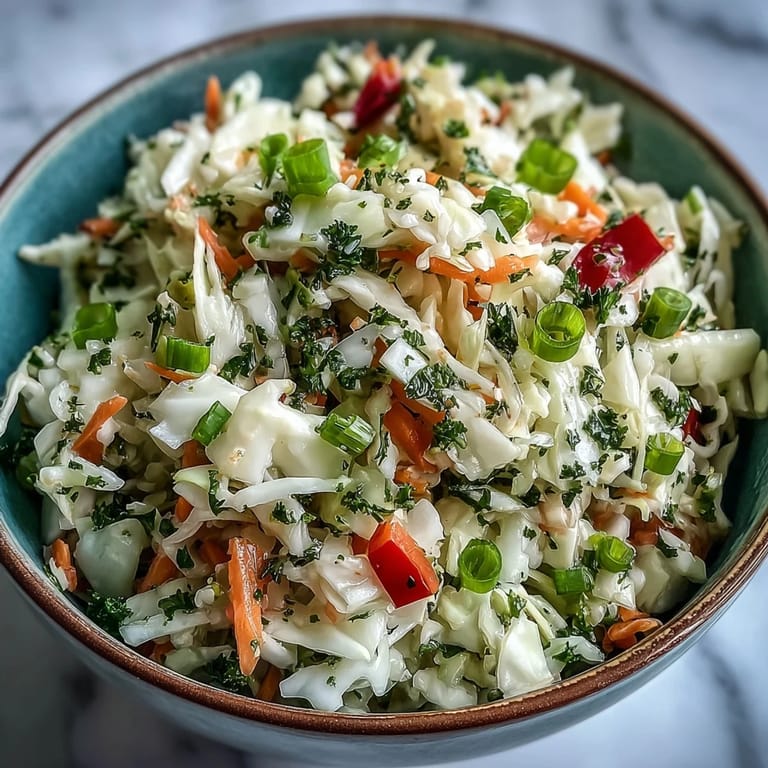
- Toss all your prepped vegetables together in a large bowl, and pause here to take a breath—the colors alone should make you feel like you're doing something right. This is when the kitchen starts smelling bright and alive.
- Build your dressing:
- In a small bowl, whisk together oil, vinegar, mustard, maple syrup, pepper, and a pinch of salt until it tastes balanced on your tongue. You're looking for that moment when sour and sweet and savory stop being separate and start being a conversation.
- Dress and toss:
- Pour the dressing over your vegetables and toss everything until the slaw glistens and every piece gets coated with flavor. This should feel generous and loose, not stingy.
- Let it rest and taste:
- Walk away for ten minutes while the flavors start finding each other, then taste and adjust—maybe more salt if it feels flat, maybe more acid if it needs sharpening. Every sauerkraut brand is different, so trust your mouth here.
- Serve and enjoy:
- Eat it chilled or at room temperature alongside whatever protein is happening, or pile it on sandwiches where it becomes the best part. This slaw only gets better over the next day or two sitting in the fridge.
 Pin it
 My kid actually asked for seconds of vegetables for the first time in their life when I made this, which felt like winning some kind of parenting jackpot. It was the moment I realized fermented things taste less like health and more like adventure when they're dressed right and surrounded by fresh, crunchy friends.
Why Sauerkraut Works as a Slaw Base
Most people think sauerkraut is something you eat straight or forget about, but it's actually the secret weapon for making a slaw that tastes sophisticated without effort. The fermentation process means the sourness is rounded and complex rather than sharp, which means you need less added vinegar and can let the fresh vegetables shine without being overshadowed. It also means your body is getting live cultures with every bite, which is the opposite of something that feels like a obligation.
The Sweet-Sour Balance That Changes Everything
The moment I stopped thinking about maple syrup as an optional ingredient and started thinking about it as essential was when this slaw stopped tasting like a side dish and started tasting like something intentional. That tiny bit of sweetness isn't trying to hide the tang—it's creating a stage where both the fermented and fresh elements get to be themselves without one bullying the other. Once you understand this balance, you'll start tweaking it based on mood, season, and what you're serving alongside, which is when cooking stops being following rules and starts being actually fun.
Making This Your Own
This slaw is a suggestion, not a command—your crisper drawer probably has different vegetables than mine does, and that's exactly the point. The sauerkraut and dressing do the heavy lifting, so everything else is you getting creative with what's actually available.
- Add radishes or fennel for extra crunch and a subtle peppery bite that changes the entire experience.
- Scatter toasted seeds on top right before serving so they stay crunchy instead of getting lost in the moisture.
- Pile this on sandwiches, grilled fish, or alongside sausages where it cuts through richness and makes everything taste better.
 Pin it
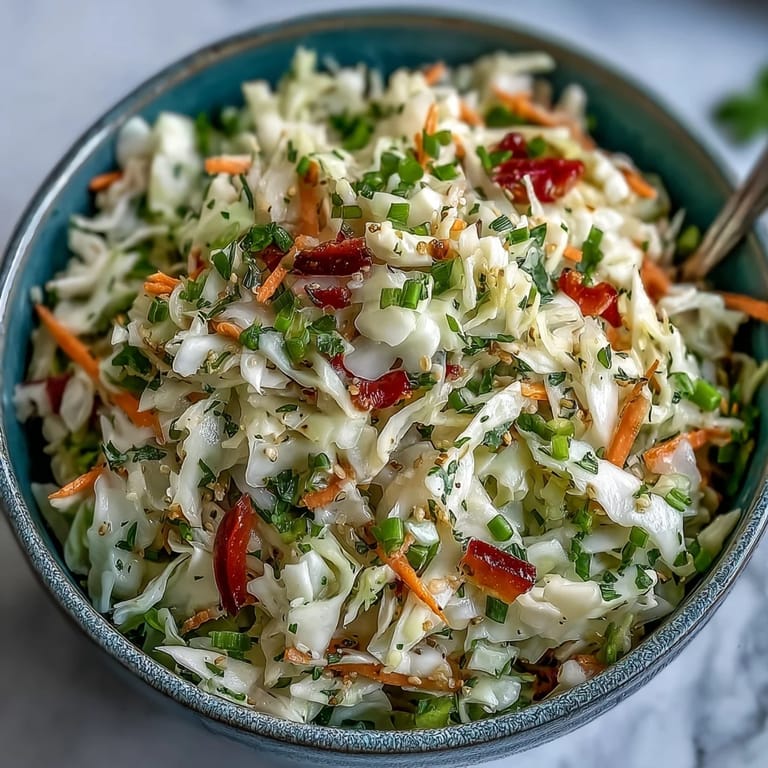
 This slaw sits in my fridge most weeks now, ready for whenever I need something bright and crunchy and actually good for me. It's proof that fermented things don't have to feel like self-punishment if you treat them right.
Recipe FAQs
- → What makes sauerkraut slaw different from regular coleslaw?
Sauerkraut slaw incorporates fermented cabbage, which adds tangy complexity and beneficial probiotics. The fermentation creates a deeper, more complex flavor profile compared to fresh-only coleslaw, while maintaining the satisfying crunch of raw vegetables.
- → Can I make this ahead of time?
Yes, this slaw actually improves after sitting for 30 minutes to several hours. The vegetables soften slightly and absorb the vinaigrette, allowing flavors to meld beautifully. Store in an airtight container in the refrigerator for up to 3 days.
- → Is this slaw suitable for vegan diets?
Yes, when using maple syrup instead of honey, this slaw is completely vegan. The dressing relies on olive oil and vinegar rather than mayonnaise, making it naturally plant-based and dairy-free.
- → What can I serve with sauerkraut slaw?
This versatile slaw pairs beautifully with grilled bratwurst, German sausages, fish tacos, or pulled pork sandwiches. It also works as a topping for burgers or alongside roasted meats for a bright, acidic contrast.
- → How do I achieve the best texture?
Drain and lightly squeeze excess liquid from the sauerkraut before combining. Slice vegetables thinly and uniformly for even crunch. Let the dressed slaw rest for at least 10 minutes before serving to achieve optimal texture balance.