 Pin it
 The first blood oranges of winter always catch me off guard at the market, their crimson interiors so dramatic against pale countertops. One Saturday morning, I grabbed a whole bag without a plan, then stood in my kitchen wondering what to do with them besides eat them straight. I remembered a yogurt cake my neighbor used to make with lemons, tangy and impossibly moist, and thought: why not blood oranges? The batter turned the palest pink, and when it baked, my whole apartment smelled like a citrus grove had moved in.
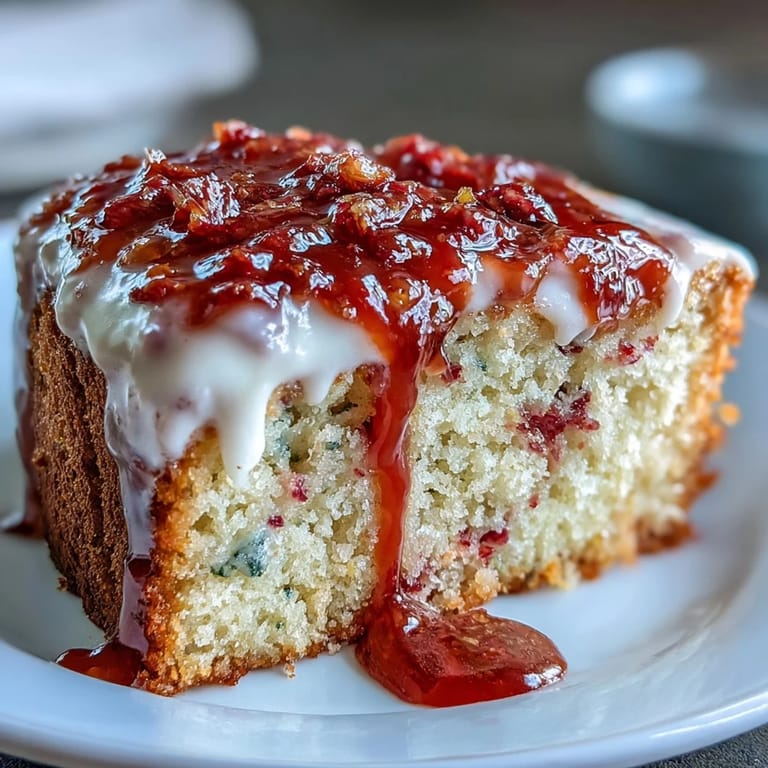
I brought this cake to a brunch where everyone was juggling coffee mugs and toddlers, and it disappeared in minutes. Someone asked if Id ordered it from a bakery, which made me laugh because Id been racing around that morning with batter on my sleeve. The blood orange icing had set into a glossy, crackly glaze that caught the light, and each slice revealed that subtle blush of color inside.
Ingredients
- All-purpose flour: The backbone of the cake, giving it structure without heaviness when measured correctly by spooning into the cup and leveling off.
- Baking powder: Make sure its fresh, older powder loses its lift and youll end up with a dense loaf instead of a tender crumb.
- Salt: Just a pinch to sharpen the sweetness and bring out the citrus notes.
- Plain Greek yogurt: Use full-fat if you can, it creates that signature moist, almost creamy texture that keeps this cake from drying out.
- Granulated sugar: Balances the tartness of the yogurt and blood orange without making the cake cloying.
- Eggs: Room temperature eggs blend more smoothly into the batter, avoiding lumps and creating a more even rise.
- Blood orange zest: Where all the floral, aromatic oils live, zest before juicing and avoid the bitter white pith underneath.
- Blood orange juice: Freshly squeezed is worth it here, the flavor is brighter and more complex than bottled.
- Vanilla extract: A quiet background note that rounds out the citrus without competing.
- Coconut oil: Melted and cooled so it doesnt scramble the eggs, it adds richness and a subtle tropical undertone.
- Powdered sugar: Sifted to avoid lumps in the icing, creating a smooth, pourable glaze.
Tired of Takeout? 🥡
Get 10 meals you can make faster than delivery arrives. Seriously.
One email. No spam. Unsubscribe anytime.
Instructions
- Prep the pan:
- Butter every corner of your loaf pan and dust it with flour, tapping out the excess, or line it with parchment for foolproof release. This step saves you from heartbreak when the cake sticks.
- Combine the dry mix:
- Whisk the flour, baking powder, and salt together in a medium bowl until evenly distributed. Set it aside while you work on the wet ingredients.
- Whisk yogurt and sugar:
- In a large bowl, whisk the Greek yogurt and sugar together until the mixture is smooth and the sugar starts to dissolve. This creates the creamy base that makes the cake so tender.
- Add eggs and citrus:
- Whisk in the eggs one at a time, letting each incorporate fully before adding the next, then stir in the blood orange zest, juice, and vanilla. The batter should smell bright and sunny.
- Fold in the flour:
- Gently fold the dry ingredients into the wet mixture using a spatula, stirring just until no white streaks remain. Overmixing develops gluten and makes the cake tough instead of tender.
- Add the oil:
- Pour in the melted, cooled coconut oil and fold it in with a light hand until its fully incorporated and the batter is glossy. The oil should blend in smoothly without deflating the batter.
- Fill and smooth:
- Pour the batter into your prepared pan and use a spatula to smooth the top into an even layer. This helps the cake bake uniformly.
- Bake until golden:
- Slide the pan into your preheated oven and bake for 50 minutes, checking with a toothpick inserted into the center. When it comes out clean or with just a few moist crumbs, its done.
- Cool in stages:
- Let the cake rest in the pan for 10 minutes to firm up, then turn it out onto a wire rack to cool completely. Icing a warm cake will just melt into a sticky puddle.
- Make the icing:
- Whisk together the powdered sugar, blood orange juice, and zest until smooth and pourable, adjusting with a tiny splash more juice if its too thick. It should ribbon off the whisk.
- Drizzle and set:
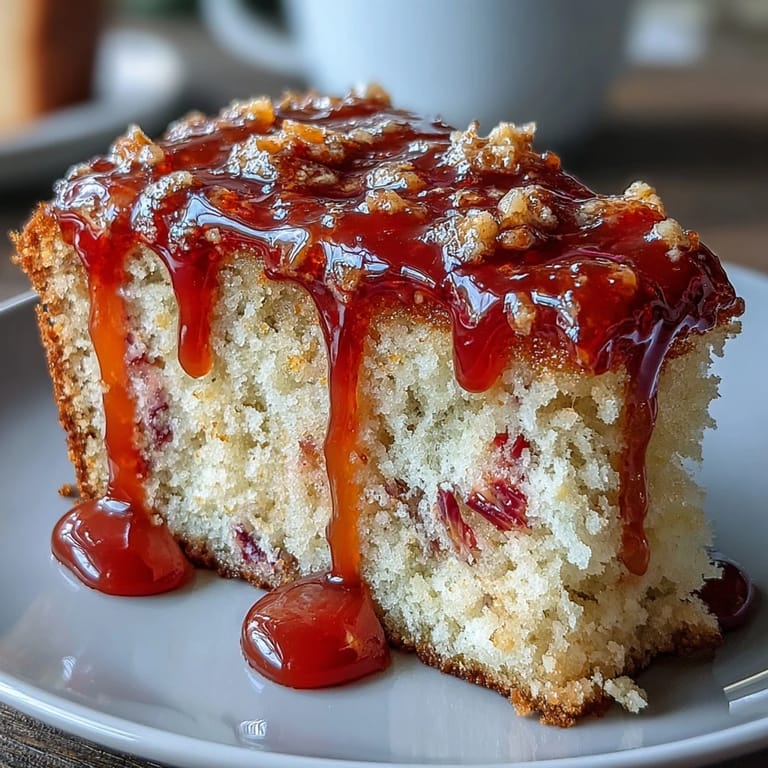
- Once the cake is fully cool, drizzle the icing over the top in slow zigzags, letting it drip down the sides. Let it set for at least 20 minutes before slicing so the glaze firms up into a beautiful glossy finish.
 Pin it
 A friend once told me this cake reminded her of sitting in a sunlit kitchen in Sicily, even though shed never been. I think thats the magic of blood oranges, they carry a sense of somewhere warm and far away, turning an ordinary Wednesday afternoon into something a little more special. Now I make it whenever I need that feeling, a small escape baked into a loaf pan.
Storing and Serving
This cake stays moist under a cake dome or wrapped in plastic at room temperature for up to two days, though it rarely lasts that long in my house. If you want to keep it longer, refrigerate it for up to five days, but let slices come to room temperature before serving so the texture softens again. I love it with a cup of strong coffee in the morning or as a light dessert after dinner with a handful of fresh raspberries on the side.
Variations to Try
Swap the coconut oil for melted unsalted butter if you want a richer, more traditional flavor without the tropical hint. You can also fold in a handful of poppy seeds for crunch or replace half the blood orange juice with lemon juice for a sharper tang. Once I added a tablespoon of honey to the icing and it gave the glaze a lovely floral sweetness that paired beautifully with the citrus.
Making It Ahead
You can bake the cake a day in advance and store it uniced, wrapped tightly in plastic wrap, then make the icing just before serving so it looks freshly glazed. The batter also freezes well if you want to prep ahead, just thaw it in the fridge overnight and bring it to room temperature before baking. I sometimes bake two loaves at once, freezing one for later, and it tastes just as good when it comes back to life in the oven.
- Wrap the cooled cake tightly in plastic wrap and foil before freezing for up to two months.
- Thaw frozen cake on the counter for a few hours, then warm it gently in a low oven if you want that fresh-baked feel.
- Make extra icing and store it in the fridge, it keeps for a week and can be drizzled over morning toast or pancakes.
 Pin it
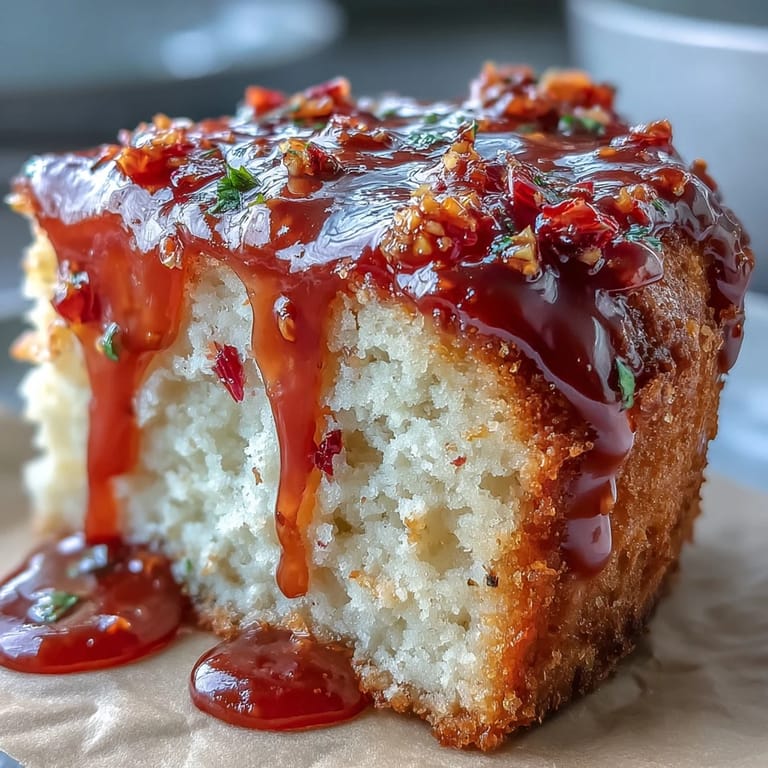
 This cake has a way of making ordinary days feel a little brighter, like bringing a bit of winter sunshine indoors. I hope it fills your kitchen with that same warm, citrusy glow.
Recipe FAQs
- → Can I use regular oranges instead of blood oranges?
Yes, navel or Valencia oranges work perfectly as substitutes. The cake will have a slightly different color and milder citrus flavor, but the texture remains the same.
- → How should I store this cake?
Keep covered at room temperature for up to 2 days. For longer freshness, refrigerate in an airtight container. The glaze may soften slightly in the fridge.
- → Can I freeze this cake?
Freeze the unfrosted loaf wrapped tightly in plastic and foil for up to 3 months. Thaw overnight, then add glaze before serving.
- → What if I don't have coconut oil?
Melted unsalted butter works as an excellent substitute. Use the same amount and ensure it's slightly cooled before incorporating into the batter.
- → How do I know when the cake is done?
Insert a toothpick into the center—if it comes out clean or with just a few moist crumbs, the cake is ready. The top should be golden brown and spring back when touched.