 Pin it
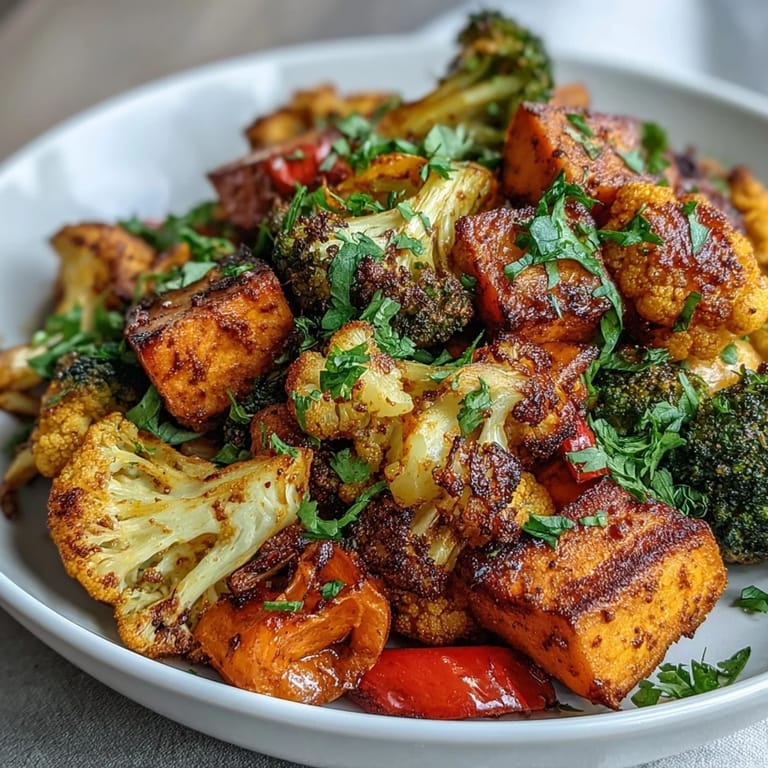
 There's something almost meditative about tossing vegetables in turmeric and watching them transform in the oven—the kitchen fills with this warm, earthy aroma that makes you slow down, even on the busiest days. I discovered this combination during a particularly hectic week when my body was practically begging me to eat something that actually nourished it, not just filled it. The colors alone—those golden edges on the cauliflower, the deepening oranges of the sweet potato—felt like they were healing something just by existing on the plate. Now whenever I roast these spiced vegetables, I'm reminded that sometimes the simplest dishes are the ones that make you feel genuinely better.
I made this for a friend who was recovering from an injury and kept apologizing for not being able to cook herself, so I showed up with a warm sheet pan of these vegetables still steaming from the oven. She took one bite and actually teared up—not from the spices, but because it was exactly what her body needed and tasted like someone genuinely cared. That's when I realized this wasn't just a recipe, it was a small act of looking after someone.
Ingredients
- Cauliflower florets (2 cups): They crisp up beautifully and absorb the spices like tiny golden sponges, becoming way more interesting than raw.
- Broccoli florets (2 cups): The florets catch the seasoning and their slightly charred tips add texture that keeps you coming back for more.
- Sweet potato, cubed (1 large): Cut them into similar-sized pieces so they roast evenly and develop that caramelized sweetness.
- Carrots, sliced (2 medium): The thinner you slice them, the crispier they'll get; thicker pieces stay tender in the center.
- Red bell pepper, chunked (1): It softens beautifully and adds a natural sweetness that balances the earthy spices.
- Red onion, wedged (1 small): Roasting mellows the onion's bite and turns it surprisingly sweet.
- Extra-virgin olive oil (2 tbsp): This is what creates the golden, crispy edges, so don't skimp or use a lighter oil.
- Ground turmeric (1½ tsp): This is the star—it's what makes everything glow golden and delivers that anti-inflammatory magic everyone talks about.
- Ground cumin (1 tsp): It adds warmth and a subtle nuttiness that rounds out the spice blend perfectly.
- Ground coriander (½ tsp): This brings a hint of citrus-like freshness that you wouldn't expect but absolutely transforms the flavor.
- Smoked paprika (½ tsp): A little goes a long way; it adds depth and a whisper of smokiness without overpowering anything.
- Black pepper (¼ tsp): This actually helps your body absorb the turmeric better, so it's doing double duty here.
- Sea salt (¾ tsp): Coarser sea salt dissolves more evenly across the vegetables than table salt.
- Fresh lemon juice (1 tbsp): Added at the end, it brightens everything and cuts through the richness with a kiss of acidity.
- Fresh cilantro or parsley (2 tbsp, optional): The herbs add a fresh finish that keeps the dish from feeling too heavy.
Tired of Takeout? 🥡
Get 10 meals you can make faster than delivery arrives. Seriously.
One email. No spam. Unsubscribe anytime.
Instructions
- Heat your oven and prepare:
- Set it to 425°F (220°C) and line a large baking sheet with parchment paper so nothing sticks and cleanup is effortless. This temperature is hot enough to create crispy edges but not so hot that the vegetables burn before they're tender inside.
- Gather and cut your vegetables:
- Wash everything first, then cut each piece to roughly the same size so they roast evenly—aim for bite-sized chunks and florets. This is actually meditative work; there's something grounding about the rhythm of chopping.
- Make the spice mixture:
- In a small bowl, whisk together the olive oil and all the spices until it looks like a golden paste with flecks of turmeric throughout. This ensures the spices are distributed evenly rather than settling at the bottom.
- Coat the vegetables:
- Pour the spice mixture over your prepared vegetables and toss everything with your hands or two large spoons until every piece has a thin, golden coating. Don't be shy with this step—make sure nothing is left plain.
- Spread on the baking sheet:
- Arrange the vegetables in a single layer with some space between pieces so they roast rather than steam. If they're crowded, they'll soften but won't get those satisfying crispy edges.
- Roast until golden:
- Pop them in the oven for 25–30 minutes, stirring about halfway through so everything browns evenly. You'll know they're done when the edges are lightly charred and the vegetables are fork-tender.
- Finish with brightness:
- Remove from the oven, drizzle with fresh lemon juice, and scatter cilantro or parsley over the top if using. The acidity wakes up all the warm spices and adds a fresh note.
 Pin it
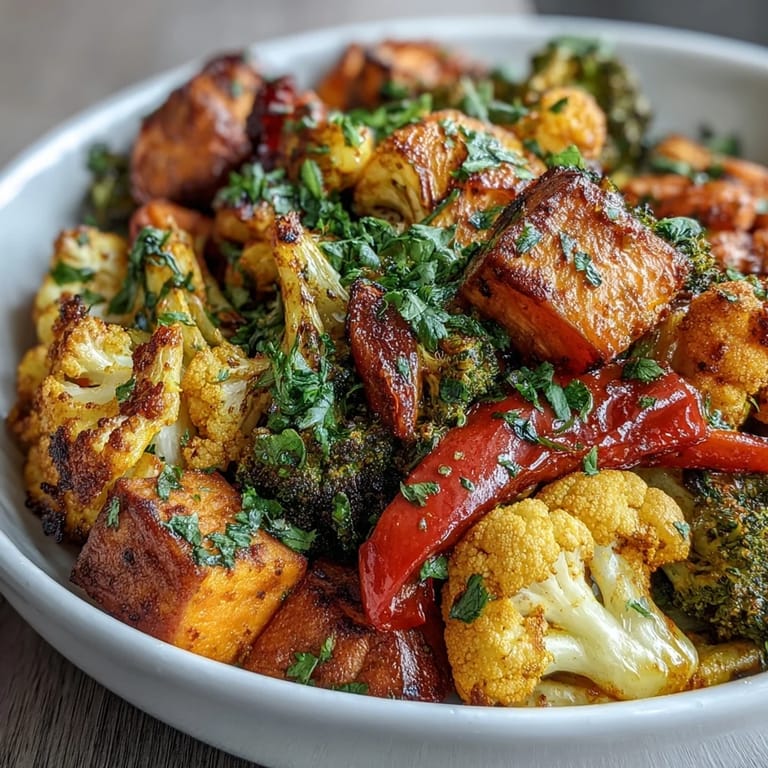
 One evening, I served this alongside some leftover quinoa to my partner, who usually pushes vegetables around the plate politely, and he actually ate more vegetables than grain. That's the moment I knew this recipe had something special—it didn't taste like health food, it tasted like something he genuinely wanted to eat.
Why Turmeric Is Worth the Hype
Turmeric isn't just trendy; it's actually been used for thousands of years in traditional cooking and wellness practices. The golden compound called curcumin is what gives turmeric its anti-inflammatory reputation, and when you roast it with black pepper (which enhances absorption), you're actually getting the benefits, not just the taste. I used to think turmeric tasted medicinal until I realized the issue was how I was using it—sprinkled on plain rice, it tastes like taking a supplement, but roasted with other spices and vegetables, it becomes the foundation of something delicious.
Customizing for Your Pantry and Season
The beauty of this recipe is that it adapts without losing its soul. In winter, I swap in cubed butternut squash and Brussels sprouts; in summer, I add zucchini and snap off the tips of green beans for crispiness. You could even throw in some mushrooms or eggplant if that's what you have on hand. The spice blend is what holds the whole thing together, so as long as you keep that golden coating consistent, the vegetables can change with what your market has and what your body is craving.
Serving and Storage Wisdom
These vegetables are stunning on their own as a side dish, but they also work beautifully over warm grains like quinoa, brown rice, or farro for a complete meal. Leftovers keep in an airtight container in the fridge for about four days, and while they're best eaten fresh from the oven, they're honestly still delicious cold the next day tossed into a salad or wrapped in a grain bowl.
- If you're meal prepping, roast an extra sheet pan on Sunday and you'll have a nutritious component ready all week.
- Serve with a dollop of non-dairy yogurt or coconut yogurt for creaminess that balances the spices.
- A squeeze of fresh lime juice works beautifully if you don't have lemon, bringing the same brightness in a slightly different direction.
 Pin it
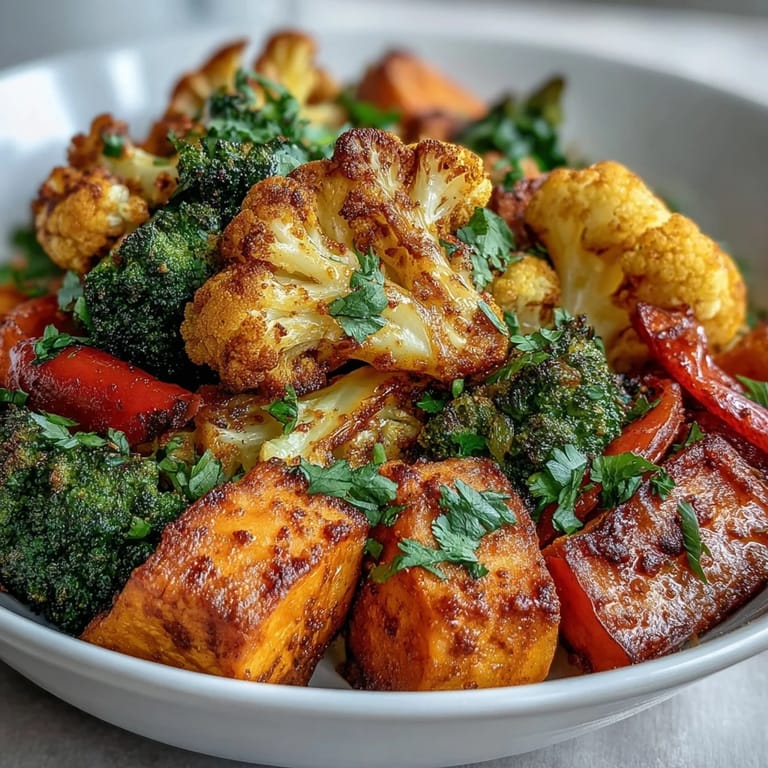
 This recipe became part of my regular rotation not because it's trendy or because I'm trying to optimize my health, but because it actually tastes good and makes me feel grounded when life gets chaotic. That's worth keeping around.
Recipe FAQs
- → What vegetables work best for roasting with turmeric?
Root vegetables like sweet potatoes and carrots caramelize beautifully with turmeric. Cauliflower, broccoli, and bell pepper also absorb the spice blend well, creating a balanced mix of textures and flavors.
- → How do I prevent the vegetables from becoming mushy?
Spread vegetables in a single layer on the baking sheet without overcrowding. This allows proper air circulation for even roasting. Stir halfway through cooking to ensure all pieces develop golden, lightly crisped edges.
- → Can I prepare this dish ahead of time?
Yes, chop and store vegetables in the refrigerator up to 24 hours before. Coat with spices just before roasting for the best flavor. Leftovers keep well for 3-4 days and reheat easily in the oven or on the stovetop.
- → Why add black pepper to turmeric vegetables?
Black pepper contains piperine, which enhances the absorption of curcumin—the active compound in turmeric. This small addition significantly boosts the anti-inflammatory benefits of the dish.
- → What can I serve with these roasted vegetables?
These pair wonderfully with quinoa, brown rice, or farro for a complete meal. They also complement grilled proteins, work well in grain bowls, or can be folded into warm whole-grain tortillas.
- → Can I use different spices?
Absolutely. Feel free to adjust the spice blend to your taste. Garam masala, curry powder, or a pinch of cayenne can add variety. The core combination of turmeric with cumin and coriander provides the classic warming foundation.