 Pin it
 My neighbor Marie brought a lemon tart to a spring potluck one evening, and I watched guests return to the dessert table three times just for another sliver. The filling had this almost custard-like wobble, the crust snapped when you bit into it, and that bright lemon flavor cut through the buttery richness in a way that felt both simple and impossibly elegant. I asked her for the recipe that night, and she laughed, saying it was the one dish she could make in her sleep. Now, years later, I understand why—there's something almost meditative about how the components come together, and once you master the technique, it becomes your own reliable masterpiece.
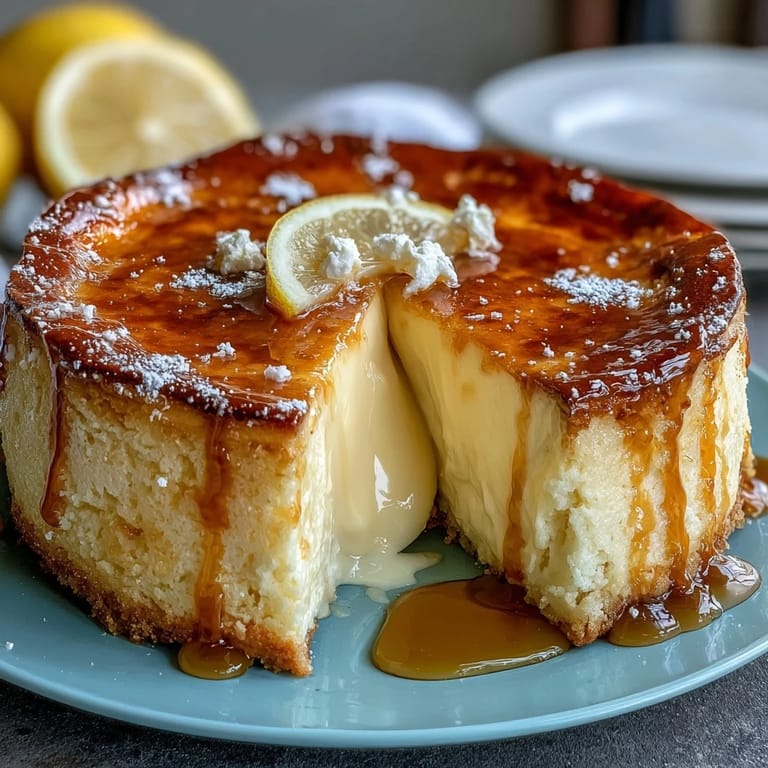
I made this for my sister's birthday dinner last April, and she actually set down her fork mid-bite to ask if I'd bought it from a bakery. The way the natural lemon juice pooled slightly on top before setting, catching the candlelight—that's when I realized this tart had become my go-to for impressing people without the performance anxiety.
Ingredients
- All-purpose flour (1 1/4 cups): Don't sift it obsessively; just spoon it into your measuring cup and level it off, or you'll end up with a tough crust.
- Unsalted butter, cold and cubed (1/2 cup for crust): This is non-negotiable—cold butter creates those tender layers, so pull it from the fridge right before you start.
- Powdered sugar (1/4 cup): This adds subtle sweetness and helps bind the dough without adding liquid.
- Fine sea salt (1/4 tsp): A pinch brightens the buttery flavor and balances the sweetness.
- Egg yolk (1 large): Use only the yolk here; it adds richness and helps bind the dough without toughening it.
- Ice water (2–3 tbsp): Keep it cold by adding ice to your water glass a few minutes before you need it.
- Eggs and egg yolks (3 eggs plus 2 yolks for filling): The combination creates a custard that's creamy but still holds its shape when set.
- Granulated sugar (1 cup): This sweetens the filling and balances the tartness of the lemon juice.
- Freshly squeezed lemon juice (2/3 cup): Bottled juice tastes muted; fresh juice is what makes this tart sing.
- Lemon zest (2 tsp): Grate it finely so it distributes evenly throughout the filling, adding brightness without texture.
- Unsalted butter, melted (1/2 cup): This emulsifies the filling and adds that silky mouthfeel you want.
- Powdered sugar for dusting: A light dusting at the end adds elegance and softens the visual appearance.
Tired of Takeout? 🥡
Get 10 meals you can make faster than delivery arrives. Seriously.
One email. No spam. Unsubscribe anytime.
Instructions
- Build your crust:
- Pulse flour, powdered sugar, and salt in a food processor until combined, then add your cold butter cubes and pulse until the mixture looks like coarse breadcrumbs. Add the egg yolk and two tablespoons of ice water, pulsing just until the dough barely holds together—you want a shaggy, slightly crumbly texture at this stage.
- Chill the dough:
- Turn the dough onto a lightly floured surface, press it into a disk, wrap it in plastic, and let it rest in the fridge for at least thirty minutes. This resting time is crucial because it relaxes the gluten and ensures your crust won't shrink during baking.
- Line the tart pan:
- Roll your chilled dough between two sheets of parchment paper until it's thin enough to drape into your nine-inch tart pan, then press it gently into the corners and trim the overhang. Prick the base all over with a fork to prevent puffing, then line it with parchment paper and fill it with pie weights or dried beans.
- Blind bake the shell:
- Bake at 350°F for fifteen minutes with the weights in place, then remove them and bake for another ten minutes until the edges are lightly golden and the base looks set. You're aiming for a pale gold, not dark brown, so it won't over-bake when you add the filling.
- Prepare the filling:
- While the crust cools slightly, whisk together your eggs, egg yolks, sugar, fresh lemon juice, lemon zest, melted butter, and a pinch of salt in a large bowl until the mixture is completely smooth and the sugar is dissolved. Taste it—it should be intensely lemony and quite sweet; the oven will set and mellow these flavors.
- Pour and bake:
- Pour the filling into your warm crust and slide it into the oven for twenty to twenty-five minutes, watching until the center barely jiggles when you gently shake the pan. You want the edges set and the very center still slightly wobbly—this is what creates that silky custard texture.
- Cool and chill:
- Let the tart cool completely on a wire rack, then refrigerate it for at least two hours before slicing. This resting time firms up the filling and lets the flavors settle and deepen.
- Finish and serve:
- Just before serving, dust lightly with powdered sugar and garnish with thin lemon slices, fresh berries, or mint leaves if you like. A slice pairs beautifully with a dollop of whipped cream or crème fraîche.
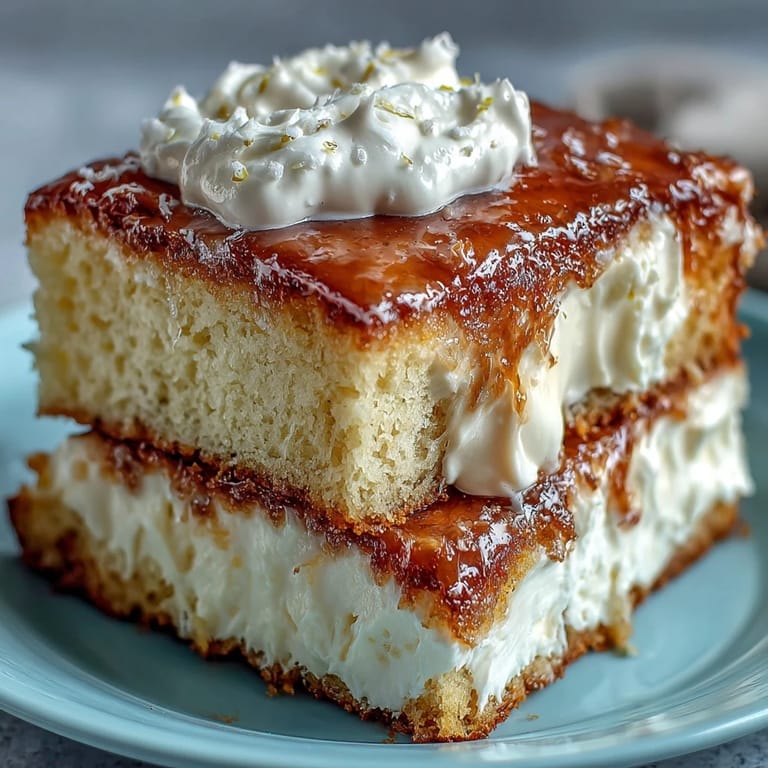 Pin it
 There was a moment last summer when my daughter asked if she could help me make this for her school bake sale, and we spent an afternoon together watching the filling transform from liquid gold to silky custard through the oven window. She dusted it with powdered sugar while I held the pan, and when it sold out before the end of the sale, she beamed with a pride that had nothing to do with money and everything to do with creating something beautiful together.
The Crust: Your Foundation for Success
The crust is where this recipe wins or loses, and the secret is respecting the cold butter and not overworking the dough. I learned this the hard way after making a batch with room-temperature butter and over-pulsing the food processor—the result was dense and tough, nothing like the delicate, shattering crust I was aiming for. Now I treat the butter like it's precious and pulse just until the mixture looks like coarse sand, never smooth.
The Filling: Simplicity That Tastes Complex
What strikes me every time I make this is how few ingredients go into the filling—just eggs, sugar, lemon, and butter—yet somehow it tastes like you've been stirring over a double boiler all afternoon. The magic is in using fresh lemon juice and letting the baking process do the work; the custard sets from outside in, which is why that gentle wobble in the center matters so much. Once you understand that, you'll never overbake it again.
Make It Your Own: Variations That Work
I've played with this recipe in ways that surprised me—a half-and-half blend of lemon and blood orange juice in early spring, a touch of lavender zest scattered into the filling one evening, even a whisper of almond extract that my mother-in-law swears by. The beauty of a strong base recipe is that it can handle small personal touches without falling apart.
- Blood orange or lime can substitute for some or all of the lemon juice if you want a different flavor profile.
- A light brushing of apricot jam before serving adds a subtle gloss and a touch of extra sweetness.
- Serving it with a glass of chilled Sauternes or sparkling wine transforms it from dessert into an experience.
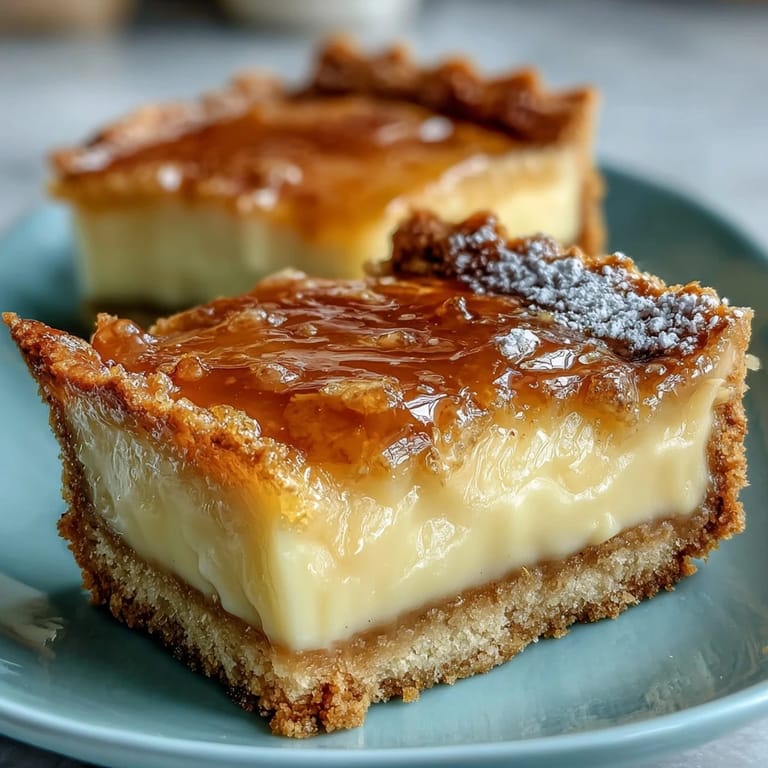 Pin it
 This tart has become the dessert I turn to when I want to feel like myself in the kitchen—confident, unhurried, and proud of what I'm making. It's the kind of recipe that becomes part of your repertoire, the one your friends start asking for, the one you could probably make without looking at the instructions by now.
Recipe FAQs
- → How do I achieve a crisp buttery crust?
Use cold butter cubed into the flour mixture and avoid overworking the dough to keep it flaky. Chilling before rolling helps too.
- → Can I substitute lemon with other citrus fruits?
Yes, blood orange or lime juice can be used for a different but equally vibrant citrus flavor.
- → Why is chilling the tart important?
Chilling allows the filling to set completely and the flavors to meld, giving a better texture and taste.
- → How can I prevent the crust from shrinking?
Chill the dough before baking and avoid stretching it when lining the pan. Using pie weights helps maintain shape during blind baking.
- → What garnish pairs well with this lemon tart?
Powdered sugar dusting, thin lemon wheels, fresh berries, or mint leaves complement the tart’s bright flavors beautifully.