 Pin it
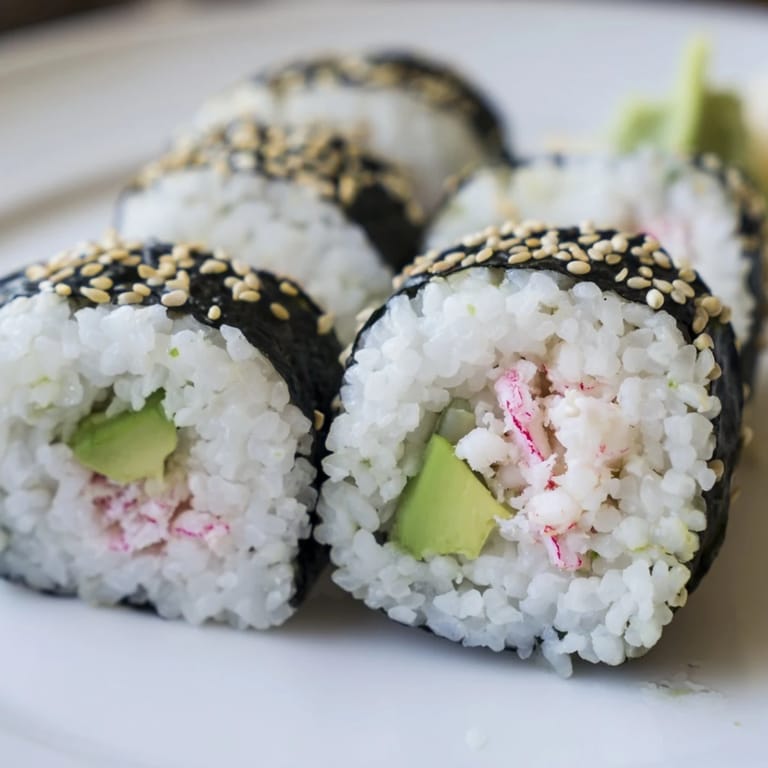
 My first attempt at California rolls happened during a rainy Sunday when I was craving something fresh but didnt want to leave the house. The kitchen ended up covered in rice grains, my knife skills were questionable at best, and somehow every roll came out shaped differently than the last. But that first bite, with the cool avocado and the slight crunch of cucumber, made all the mess worth it. Now I make these whenever I want restaurant quality sushi without the restaurant price tag.
I made these for my dads birthday last year, setting up a little sushi station on the kitchen counter. Everyone took turns rolling their own, creating slightly lopsided but enthusiastic creations. The laughter and sticky fingers made those uneven rolls taste better than anything from a sushi counter. Now its become a tradition we break out for celebrations instead of ordering takeout.
Ingredients
- Sushi Rice: Short grain rice is non negotiable here, it creates that perfect sticky texture that holds everything together. Rinse until the water runs clear or your rolls will turn out gummy.
- Rice Vinegar Mixture: This seasons the rice and gives it that characteristic tang. Warm the mixture slightly to help the sugar dissolve completely.
- Crab or Surimi: Real crab is luxurious but surimi works beautifully and is more budget friendly for weeknight rolling.
- Avocado: Choose one that yields slightly to pressure but isnt mushy. Too firm and it wont slice cleanly, too ripe and it will mash during rolling.
- Cucumber: English or Persian cucumbers work best since they have fewer seeds and thinner skin. Remove the seeds completely or your rolls will fall apart.
- Nori Sheets: Store these in a dry place, moisture makes them tough and chewy instead of crisp.
- Toast Sesame Seeds: Toasting them in a dry pan for 2 minutes releases their oils and intensifies the nutty flavor.
- Mayonnaise: A thin stripe adds creaminess that helps bind the fillings together inside the roll.
Tired of Takeout? 🥡
Get 10 meals you can make faster than delivery arrives. Seriously.
One email. No spam. Unsubscribe anytime.
Instructions
- Prepare the Rice:
- Rinse the rice in cold water until it runs clear, then cook it with the water until tender and fluffy. While the rice is still warm, gently fold in the vinegar mixture using a cutting motion to preserve the individual grains. Let it cool to room temperature before rolling.
- Set Up Your Rolling Station:
- Cover your bamboo mat with plastic wrap to prevent sticking and make cleanup easier. Place a nori sheet shiny side down on the mat. Keep a small bowl of water nearby for dipping your hands.
- Spread the Rice:
- Wet your hands thoroughly to prevent sticking, then spread about ¾ cup of rice over the nori, leaving a 2 cm border at the top. Sprinkle with sesame seeds, then carefully flip the entire sheet so the rice faces down.
- Add the Fillings:
- Arrange the crab, avocado, and cucumber in a line along the bottom edge. If using mayonnaise, pipe a thin strip alongside the vegetables. Do not overfill or the roll will burst.
- Roll It Up:
- Lift the mat edge closest to you and roll over the fillings, using gentle pressure to create a tight cylinder. Continue rolling until the seam is sealed, then press the mat gently to shape the roll.
- Slice and Serve:
- Wipe your knife with a damp cloth between slices for clean cuts. Slice each roll into 6 pieces and arrange on a platter with soy sauce, pickled ginger, and wasabi on the side.
 Pin it
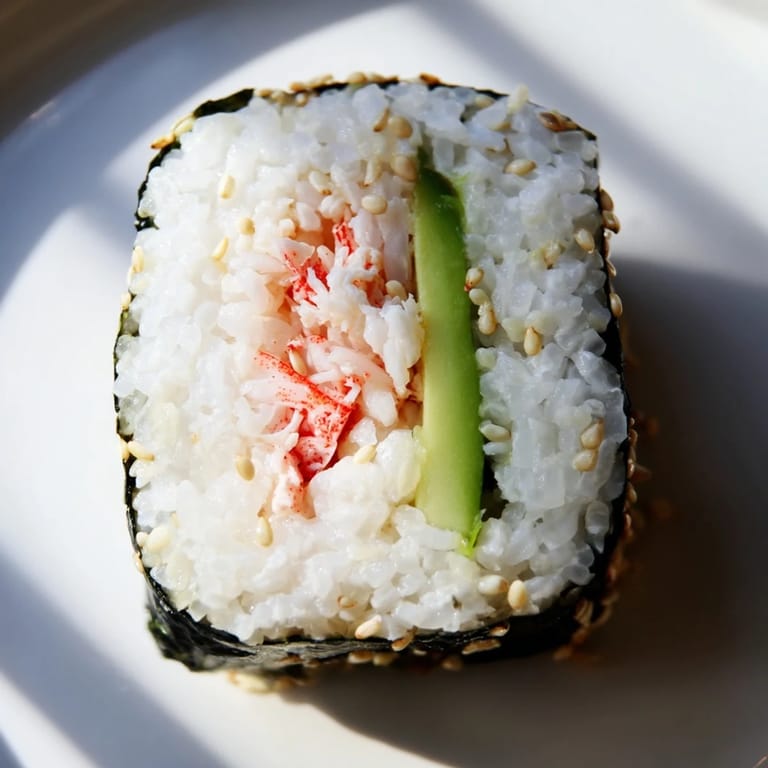
 There is something meditative about the rhythm of rinsing rice, slicing vegetables into precise strips, and rolling each piece with intention. My roommate walks in now whenever she smells rice vinegar warming on the stove, knowing it means sushi night and that she is expected to help with the rolling. These rolls have turned many ordinary weeknights into something that feels like a tiny celebration.
Making Ahead and Storage
The rice is best made fresh but can be kept at room temperature for up to 4 hours, covered with a damp cloth. Assembled rolls should be eaten immediately as the nori starts to soften and lose its texture. If you must prep ahead, roll the sushi tightly in plastic wrap and store at room temperature for no more than 2 hours. Never refrigerate assembled rolls, the rice becomes hard and unappetizing.
Perfecting Your Rolling Technique
The first few rolls might look messy and that is completely normal. The key is applying even pressure as you roll, not too tight or the fillings will squeeze out, not too loose or the roll falls apart. If your rice keeps sticking to your hands, rinse them more frequently or add a tiny drop of sesame oil to the water. The nori border at the top needs to remain dry to create a proper seal.
Customization Ideas
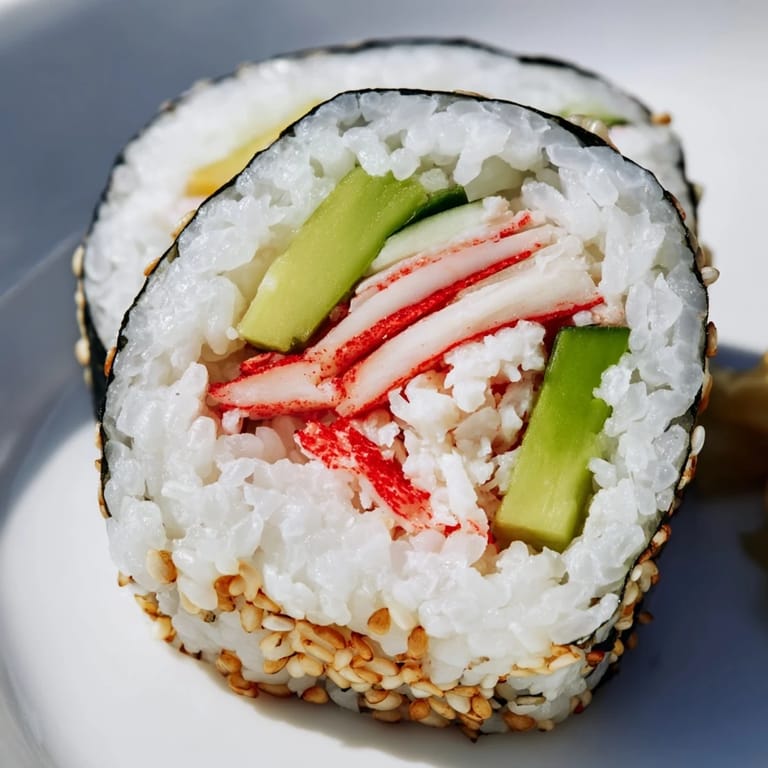
Once you master the basic technique, the variations are endless. Try adding thinly sliced carrots for extra crunch or substitute spicy tuna for the crab. Vegetarian options include marinated tofu, pickled radish, or grilled eggplant. Some nights I add a thin layer of sliced cucumber inside before rolling for an extra refreshing crunch.
- Mix a teaspoon of sriracha into the mayonnaise for a spicy kick
- Swap black sesame seeds for white to create visual contrast
- Add a few leaves of fresh cilantro for an unexpected herbaceous note
 Pin it
 There is a quiet satisfaction in cutting through that first roll and seeing the perfect spiral inside. Maybe yours will not look like restaurant perfection at first, but they will taste like something you made with your own hands, and that is always better.
Recipe FAQs
- → What makes a California roll different from traditional sushi?
The California roll is an inside-out maki where the rice faces outward rather than being wrapped inside the nori. This American invention was designed to make raw fish more approachable by using cooked crab and familiar ingredients like avocado.
- → Can I use real crab instead of imitation crab?
Absolutely. Fresh or pasteurized lump crab meat works beautifully and provides superior flavor and texture. Simply shred it into bite-sized pieces before assembling your rolls.
- → Why do I need to rinse the sushi rice before cooking?
Rinsing removes excess starch, preventing gummy rice and ensuring each grain remains separate and glossy. Wash until the water runs clear for perfectly textured sushi rice that holds together when rolled.
- → How do I prevent the rice from sticking to my hands?
Keep a small bowl of water nearby and wet your hands thoroughly before handling rice. You can also lightly coat your palms with a few drops of neutral oil to prevent sticking while spreading rice evenly.
- → What's the best way to slice sushi rolls cleanly?
Use your sharpest knife and dampen the blade with water or rice vinegar between each cut. Use a gentle sawing motion rather than pressing down to maintain the roll's shape and prevent fillings from squishing out.
- → Can California rolls be made ahead of time?
For best results, assemble and serve immediately. The rice texture degrades and nori becomes soggy over time. If necessary, prepare components separately and roll within 2 hours of serving for optimal freshness.