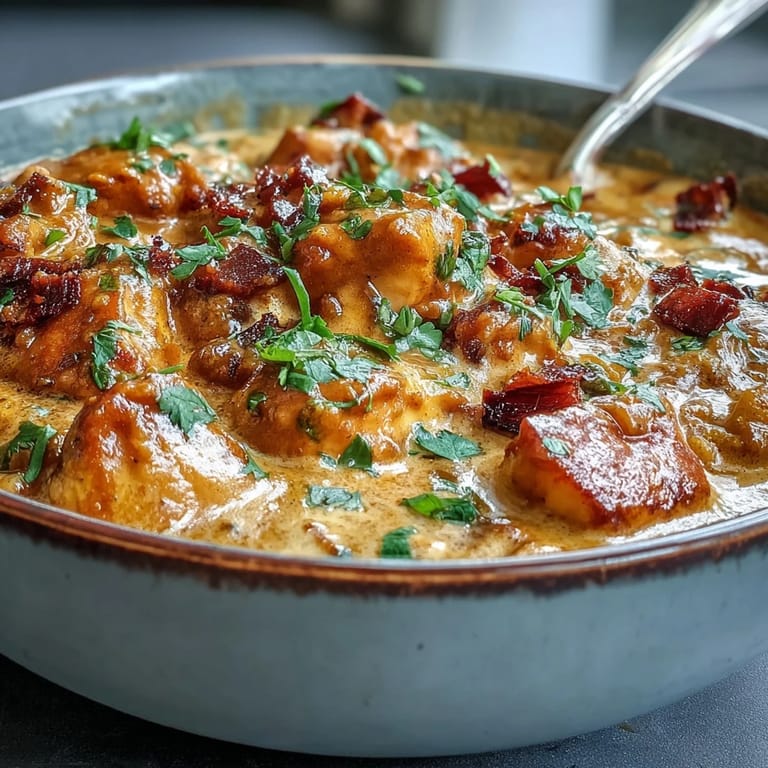
 Pin it
 The smell of curry powder hitting hot oil has a way of stopping time in my kitchen. I stumbled into this recipe on a rainy Tuesday when I had chicken thighs defrosting and nothing planned. What started as improvisation with half-remembered spice ratios turned into the dish my family now requests by name. It's become my answer to busy evenings when I want something that tastes like effort but doesn't demand it.
I made this for my neighbor who had just moved in from across the country and was living out of boxes. She sat at my table with a bowl of rice and this curry, quiet for a moment, then told me it reminded her of a place she used to eat lunch near her old office. Food has that strange power to carry people somewhere else entirely. Since then, I've made it for potlucks, for friends going through hard weeks, and for myself on nights when I need something dependable.
Ingredients
- Boneless, skinless chicken thighs (1 lb): Thighs stay tender and juicy even if you simmer a little longer than planned, unlike breasts which can turn dry and stringy.
- Onion (1 medium, finely chopped): The foundation of flavor here, cook it until it's soft and golden to build sweetness into the sauce.
- Garlic (3 cloves, minced): Fresh garlic brings a sharp, aromatic punch that powdered versions just can't match.
- Ginger (1 inch, grated): Grating releases more juice and flavor than chopping, and it distributes evenly throughout the curry.
- Tomatoes (2 medium, finely chopped): They break down into the base of the sauce, adding body and a gentle tang that balances the cream.
- Plain whole milk yogurt (1/2 cup): Whole milk yogurt adds tang and richness without curdling if you keep the heat low when you stir it in.
- Heavy cream (1/4 cup): Just enough to make the sauce luxurious and round out any sharpness from the spices.
- Curry powder (2 tbsp): The backbone of the dish, use a blend you like since they vary widely in heat and sweetness.
- Ground cumin (1 tsp): Adds earthy warmth that anchors the brighter spices.
- Ground coriander (1 tsp): Subtle and citrusy, it lightens the heavier spices without disappearing.
- Turmeric (1/2 tsp): Gives the curry its golden color and a slightly bitter, earthy note.
- Chili powder (1/2 tsp, optional): Adjust this based on who you're feeding, it's easy to add more but impossible to take back.
- Salt and black pepper: Essential for bringing all the flavors into focus, taste and adjust at the end.
- Vegetable oil or ghee (2 tbsp): Ghee adds a nutty richness, but vegetable oil works perfectly fine if that's what you have.
- Water (1/2 cup): Loosens the sauce just enough to keep it from getting too thick and pasty.
- Fresh cilantro leaves (chopped, for garnish): Bright and herbal, it cuts through the richness and makes the whole dish feel fresh.
Tired of Takeout? 🥡
Get 10 meals you can make faster than delivery arrives. Seriously.
One email. No spam. Unsubscribe anytime.
Instructions
- Start with the aromatics:
- Heat the oil or ghee in a large skillet over medium heat and add the chopped onion. Sauté until it softens and turns golden, about 5 minutes, stirring occasionally so it doesn't stick or burn.
- Add garlic and ginger:
- Stir in the minced garlic and grated ginger, cooking for just 1 minute until the smell fills your kitchen. Don't let them brown or they'll turn bitter.
- Brown the chicken:
- Add the chicken pieces and cook, stirring occasionally, until they're lightly browned on all sides, about 5 minutes. They don't need to be cooked through yet, just nicely colored.
- Bloom the spices:
- Sprinkle in the curry powder, cumin, coriander, turmeric, chili powder, salt, and pepper. Stir everything together and cook for 1 minute to wake up the spices and coat the chicken.
- Cook down the tomatoes:
- Add the chopped tomatoes and cook for 5 minutes, letting them soften and break down into a chunky base. Stir occasionally to keep things moving.
- Stir in the yogurt:
- Lower the heat and stir in the yogurt, mixing well so it blends smoothly without curdling. Simmer gently for 10 minutes, stirring occasionally to keep the bottom from sticking.
- Add water and cream:
- Pour in the water and heavy cream, stirring to combine everything into a smooth, creamy sauce. Simmer gently for another 5 to 10 minutes until the chicken is cooked through and the sauce has thickened slightly.
- Taste and adjust:
- Taste the curry and add more salt or spices if needed. Every batch is a little different depending on your tomatoes and spices.
- Garnish and serve:
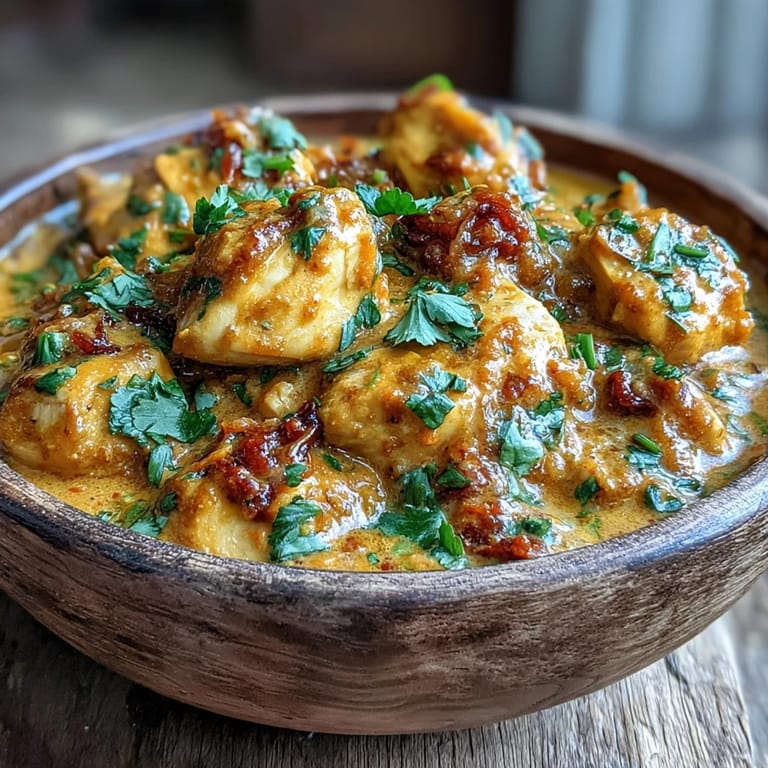
- Sprinkle chopped cilantro over the top and serve hot with rice or naan. The cilantro adds a fresh, bright note that balances the richness.
 Pin it
 One evening I served this to friends who claimed they didn't like curry because it was too complicated or too spicy. They went quiet after the first bite, then one of them asked if I'd write the recipe down. I realized then that this dish isn't about authenticity or perfection, it's about making something warm and welcoming that brings people to the table. It's become my proof that good food doesn't need to be fussy.
Choosing Your Chicken
I always reach for boneless thighs because they stay moist and flavorful even if I get distracted and let the curry simmer a few minutes longer than planned. Breasts work too, but they're less forgiving and can dry out quickly, so watch the clock and pull them off heat as soon as they're cooked through. If you're using breasts, cut them slightly smaller so they cook faster and more evenly.
Making It Your Own
This recipe is flexible enough to handle whatever you have on hand or need to accommodate. Swap coconut milk for the yogurt and cream if you want a dairy free version, it'll taste different but just as good with a subtle sweetness. A pinch of garam masala stirred in at the very end adds a fragrant warmth that makes the curry feel a little more special. I've also added spinach, peas, or diced potatoes when I wanted to stretch it further or sneak in more vegetables.
Serving and Storage
I usually serve this over basmati rice, but it's just as good with naan for scooping or even over quinoa if you want something different. Leftovers keep beautifully in the fridge for up to three days and the flavors deepen as they sit, making lunch the next day feel like a reward. When reheating, add a splash of water or broth to loosen the sauce since it thickens as it cools.
- Freeze individual portions in airtight containers for up to two months and reheat gently on the stove.
- Garnish just before serving so the cilantro stays bright and fresh instead of wilting into the sauce.
- Pair with a simple cucumber salad or raita to balance the richness and add a cool, crunchy contrast.
 Pin it
 This curry has earned its place in my regular rotation because it delivers comfort and flavor without asking for much in return. I hope it finds a spot in your kitchen too.
Recipe FAQs
- → Can I use chicken breast instead of thighs?
Yes, you can substitute chicken breast for thighs. However, reduce the simmering time to prevent the meat from drying out, as breast meat cooks faster and has less fat than thighs.
- → How can I make this dairy-free?
Replace the yogurt and heavy cream with coconut milk for a dairy-free version. This will give the curry a slightly different flavor profile with a subtle coconut undertone.
- → What can I serve with this curry?
This chicken curry pairs beautifully with basmati rice, naan bread, or roti. You can also serve it with quinoa or cauliflower rice for a lower-carb option.
- → Can I adjust the spice level?
Absolutely! The chili powder is optional and can be adjusted to your preference. Start with less and add more gradually, or omit it entirely for a milder curry.
- → How do I store leftovers?
Store leftover curry in an airtight container in the refrigerator for up to 3 days. Reheat gently on the stovetop or in the microwave, adding a splash of water if needed to loosen the sauce.
- → What is garam masala and should I add it?
Garam masala is a warm Indian spice blend that adds depth and complexity. Adding a pinch at the end of cooking enhances the flavor profile and gives the curry a more authentic taste.