 Pin it
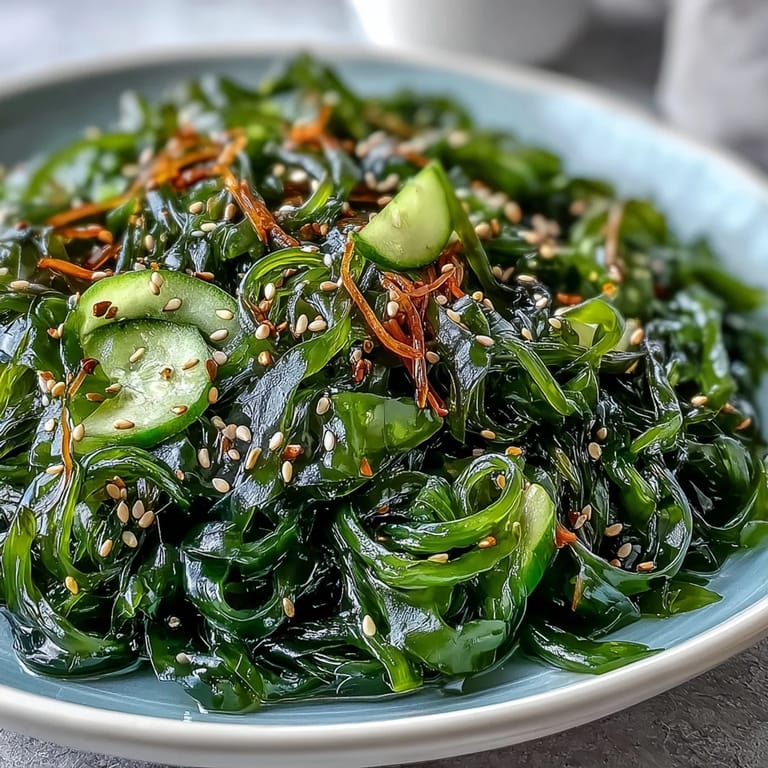
 A friend handed me a container of seaweed salad at a farmers market in late spring, insisting I try it before dismissing the idea of eating seaweed raw. I was skeptical until that first bite—the tender ocean vegetable gave way to a bright sesame-ginger punch that felt both delicate and deeply satisfying. Within days, I was making my own version, and it became the dish I reached for on hot afternoons when my appetite needed something light but substantial. There's something about the way the dressing clings to each strand that makes you feel like you're eating something precious.
I made this for a potluck once where everyone brought their usual suspects—pasta salads, coleslaw, the predictable things. When people actually returned to the seaweed salad multiple times, I realized it wasn't the dish that was special but rather how it stood apart, unapologetic in its simplicity and umami. Someone asked for the recipe that evening, and I've probably given it to fifteen people since.
Ingredients
- Dried wakame seaweed: Buy it from the Asian section of your grocery store or online, and don't let the shriveled appearance fool you—it plumps into something tender and briny when hydrated.
- Toasted sesame oil: The toasted kind, never the plain variety, because that nutty warmth is what makes the entire dressing sing.
- Rice vinegar: Milder and slightly sweet compared to regular vinegar, it keeps the salad balanced rather than aggressive.
- Fresh ginger: Grate it just before mixing the dressing so it releases all its spicy, bright oils.
- Low-sodium soy sauce or tamari: I keep tamari on hand because it doubles as both a gluten-free option and a slightly smoother umami flavor.
- Maple syrup or honey: A small touch of sweetness to round out the sharp edges and create harmony among all the bold flavors.
- Toasted sesame seeds: Buy them already toasted or toast them yourself in a dry pan for about two minutes until fragrant and golden.
- Cucumber and carrot: Choose firm, fresh ones because they're what brings the cooling crunch that makes this salad feel so refreshing.
Tired of Takeout? 🥡
Get 10 meals you can make faster than delivery arrives. Seriously.
One email. No spam. Unsubscribe anytime.
Instructions
- Rehydrate the seaweed:
- Place the dried wakame in a bowl, cover generously with cold water, and let it sit for 7 to 10 minutes until it unfurls and becomes tender. You'll notice how dramatically it expands—this is normal and part of the magic. Drain it well through a fine sieve and gently squeeze out excess water with your hands, being careful not to bruise the delicate fronds.
- Prepare your vegetables:
- While the seaweed soaks, slice your cucumber into thin half-moons, julienne the carrot into matchsticks, and slice the scallions on a slight diagonal. These preparations take just a few minutes and set you up for easy tossing later.
- Build the dressing:
- In a small bowl, whisk together the sesame oil, rice vinegar, soy sauce, freshly grated ginger, maple syrup, sesame seeds, and chili flakes if you want a gentle heat. Taste it straight from the whisk—it should smell floral and complex, with no single flavor dominating.
- Combine everything:
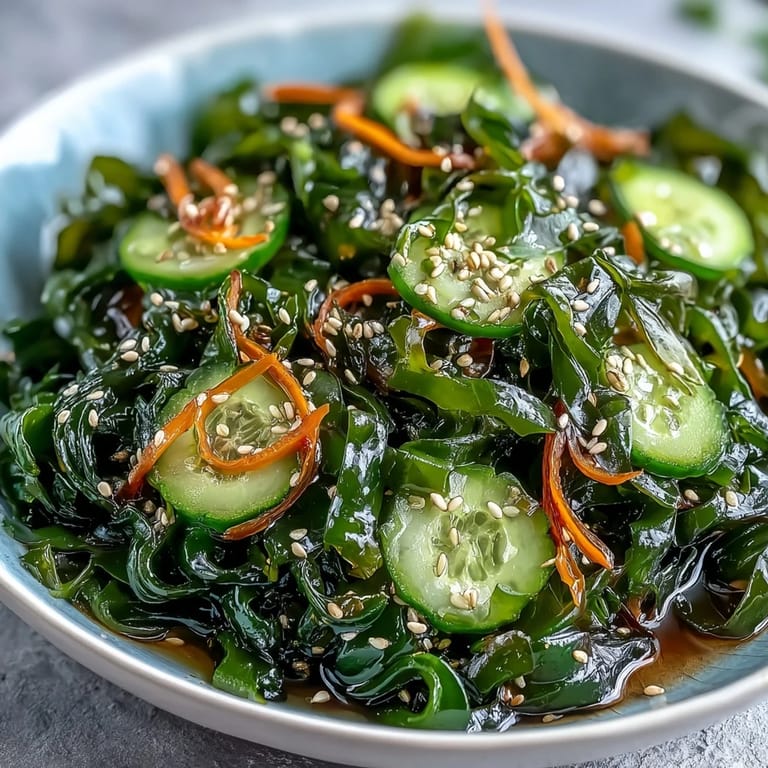
- In a large bowl, gently toss together the seaweed, cucumber, carrot, and scallions, then pour the dressing over and fold everything together with care. The seaweed is delicate, so treat it like you're handling something precious.
- Finish and serve:
- Transfer to a serving bowl and scatter the additional sesame seeds and fresh cilantro or parsley on top for color and a final burst of freshness. You can serve it immediately, but chilling it for 15 to 30 minutes deepens the flavors and makes it taste like you planned this hours ago.
 Pin it
 There was a quiet moment in my kitchen one evening when I realized this salad had become the thing I made when I wanted to feel a little bit more thoughtful about what I was eating. It's not a showstopper dish that demands attention, but it earns respect through its honest simplicity.
How to Choose Your Seaweed
Wakame is mild-mannered compared to other seaweeds, with a slightly sweet undertone that plays beautifully with the ginger dressing. Look for packages that are sealed well and stored in a cool, dry place—seaweed is sensitive to moisture and humidity. The color should be a deep green, almost olive, and the smell should be oceanic but not fishy or sulfurous.
The Dressing Temperature Matters
I learned by accident that whisking the dressing when it's cool, rather than using warm oil, keeps all the flavors distinct and prevents the sesame from becoming muted. The cold temperature also means the dressing comes together faster and emulsifies more readily, clinging to the seaweed in a way that feels intentional. If you do happen to warm your ingredients, the dish still works—it just tastes slightly different, less bright and a touch more mellow.
Variations and Add-Ins That Work
Once you've made this version a few times, the salad becomes a canvas for small experiments. I've added thinly sliced radishes for extra bite, shredded red cabbage for earthiness and color, or even a handful of edamame for protein and texture. A drizzle of chili oil at the end brings welcome heat, while a squeeze of lime juice can replace some of the rice vinegar if you want it brighter and sharper.
- Sliced radishes or shredded red cabbage add crunch and visual appeal without overpowering the delicate seaweed.
- Toasted nori strips or a sprinkle of furikake bring extra umami depth if you want the salad to feel more substantial.
- A handful of thinly sliced avocado is lovely right before serving, though it won't keep as well in leftovers.
 Pin it
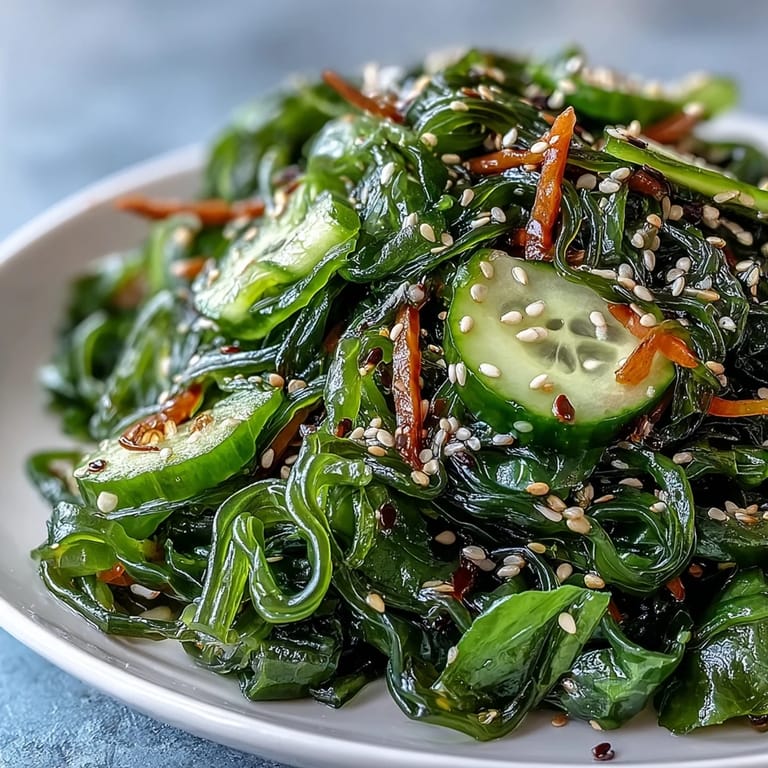
 This seaweed salad has quietly become one of my most-made dishes, the kind you return to because it never disappoint and always feels like taking care of yourself. It's proof that the simplest meals, made with intention and good ingredients, are often the ones we remember.
Recipe FAQs
- → What type of seaweed works best?
Dried wakame seaweed is ideal for this salad. It rehydrates quickly to become tender yet maintains a pleasant texture. Soak for 7-10 minutes in cold water until fully expanded and soft.
- → Can I make this ahead of time?
Yes, this salad actually benefits from chilling 15-30 minutes before serving, allowing flavors to meld. Store in an airtight container in the refrigerator for up to 2 days, though the vegetables will lose some crispness over time.
- → Is this dish gluten-free?
The salad becomes gluten-free when you use tamari instead of regular soy sauce. Always check packaged seaweed labels for possible cross-contamination if you have severe gluten sensitivity.
- → What can I add for extra texture?
Thinly sliced radish, shredded red cabbage, or edamame beans add wonderful crunch. For more protein, consider adding cooked shrimp or cubed tofu for a complete meal.
- → How do I adjust the flavor balance?
Add more maple syrup for sweetness, extra rice vinegar for acidity, or additional chili flakes for heat. The dressing is highly customizable to your taste preferences.
- → What beverages pair well?
Chilled sake, dry white wine, or green tea complement the fresh flavors beautifully. The light, refreshing nature of this salad makes it perfect with Japanese-inspired beverages.